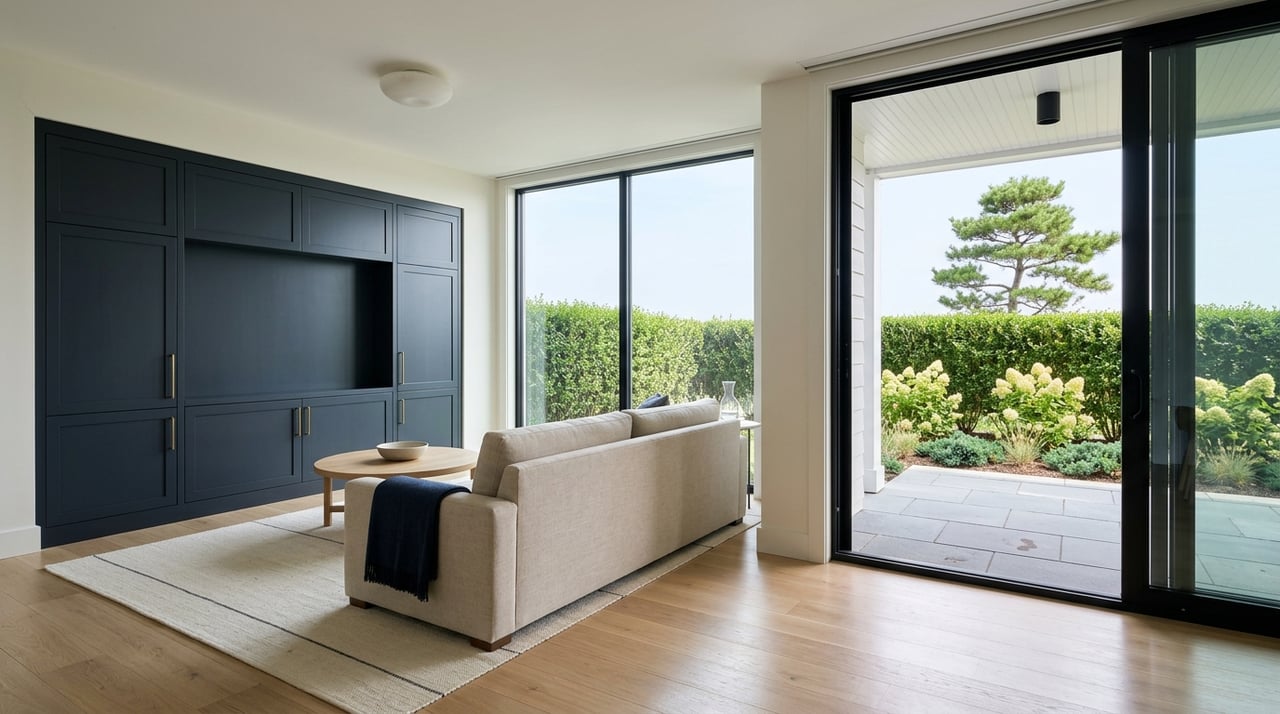
Boston Buyers Seeking a Rhode Island Weekend Condo
July 9, 2026
July 9, 2026
You do not need to choose between keeping your Boston routine and enjoying a true coastal reset. For many professionals, a Rhode Island weekend condo offers a manageable escape with easier access than a longer second-home commute. If you are weighing where to buy, how often you will actually use it, and whether occasional rental income matters, this guide will help you focus on the right questions. Let’s dive in.
Before you compare buildings or browse listings, get clear on how you want the condo to fit your life. Most Boston buyers are balancing lifestyle, travel time, and possible rental flexibility.
If you want walkable weekends with dining, harbor access, and a more active in-town rhythm, your search may look very different than if you want sandy beach days and a quieter base. That is why your intended use should guide the location first, then the property type.
Newport sits on the southern tip of Aquidneck Island and is known for its historic colonial buildings, Gilded Age mansions, sailing culture, and waterfront setting. It is also described as being about 90 minutes south of Boston.
For many Boston professionals, Newport fits best when you want a more amenity-rich pattern. You may prefer it if your ideal weekend includes walking to restaurants, spending time near the harbor, and enjoying a more urban coastal setting.
Narragansett is in South County, Rhode Island’s southernmost region, known for Atlantic beaches, pines, farms, seafood, and coastal towns. Official beach listings highlight Narragansett Town Beach and Scarborough State Beach.
If you picture your weekends around the shoreline first, Narragansett can be a strong match. It generally suits buyers looking for an easy coastal routine with a more seasonal feel and less of Newport’s historic in-town atmosphere.
Westerly also sits in South County, but its appeal is broader. Misquamicut State Beach is one of the state’s largest beaches, while Watch Hill is positioned as an upscale coastal enclave.
Westerly also offers a practical advantage for Boston buyers because it has an Amtrak station. If you want the option to travel by rail instead of driving every trip, Westerly stands out as a very convenient coastal base.
A weekend home only feels easy if you can reach it without too much effort. That is why travel workflow matters almost as much as the condo itself.
Amtrak’s Northeast Regional serves Boston South Station, Back Bay, Route 128, Providence, Kingston, and Westerly. Providence Station is also served by Acela, Northeast Regional, and MBTA commuter rail.
That creates a few practical patterns for Boston buyers:
Amtrak also notes that Providence riders can connect to seasonal ferry service to Newport. If you are trying to keep your weekends more car-light, that detail may matter more than expected.
A Rhode Island condo can look turnkey on the surface, but the real decision often sits inside the association documents. If you are buying for part-time use, you want a clear picture of costs, restrictions, and maintenance responsibilities before you commit.
Rhode Island resale rules require disclosure of important association information to a purchaser. That includes items such as the condo declaration, bylaws, rules, budget, reserves, insurance, fees, judgments, and restraints on transfer.
In practical terms, the most important documents to review are:
Under Rhode Island law, the association must furnish the resale certificate within ten days of request. The purchaser is also not liable for unpaid assessments above the amount stated in that certificate.
One of the easiest mistakes in second-home buying is assuming the association handles more than it actually does. Rhode Island law generally places maintenance, repair, and replacement of the common elements on the association and the unit itself on the owner, unless the declaration says otherwise.
That division is worth checking closely. For a weekend condo, details like roof responsibility, exterior components, and seasonal upkeep can affect both your budget and your peace of mind.
Some Boston buyers want a condo strictly for personal use. Others want the option to offset costs with seasonal or short-term rentals. If rental flexibility matters to you at all, confirm the rules before you fall in love with a unit.
Rhode Island’s Rental Registry requires landlords to register rental properties. The state also says any short-term rental listed on a third-party hosting platform that does business in Rhode Island must be registered.
Tax treatment also varies by use. As of January 1, 2026, the Rhode Island Division of Taxation says whole-home short-term rentals are subject to:
The same state guidance says rentals of more than 30 consecutive days, or one calendar month, are excluded from sales and hotel tax. That distinction can shape how you think about occasional income versus longer seasonal stays.
If the condo may be rented and the building was built before 1978, lead compliance can matter. Rhode Island says rental units built before 1978 generally need lead-hazard compliance and a valid lead certificate.
There is a limited seasonal exception. Temporary seasonal housing rented no more than 100 days per year to the same tenant is exempt.
Higher-end buyers should also note a 2026 planning issue. Rhode Island’s Non-Owner Occupied Property Tax applies to residential properties assessed over $1 million that are not owner-occupied, effective July 1, 2026, at a rate of $2.50 for each $500, or fractional part, above $1 million.
If you are shopping from Boston, you can do a lot of early filtering before taking a final trip south. A disciplined remote process can save time and help you avoid attractive listings that do not fit your actual weekend routine.
A strong review process should include:
These checks are especially useful for part-time ownership. They help you see how the condo will function when you arrive late on a Friday, leave early on a Sunday, or close it up between visits.
If your search still feels too broad, return to the use case. That is usually the fastest way to sort the best Rhode Island condo options from the merely attractive ones.
You can think about it this way:
| Location | Best Fit for Your Weekend Pattern |
|---|---|
| Newport | Harbor access, walkability, restaurants, and a more active in-town coastal experience |
| Narragansett | Beach-first simplicity and a seasonal shoreline rhythm |
| Westerly | Coastal variety, strong beach identity, and easier rail access from Boston |
When the location aligns with how you actually want to spend your time, the property decision gets much easier.
A Rhode Island weekend condo purchase is rarely just about square footage or finishes. You are also evaluating association health, access patterns, maintenance responsibility, and whether future rental use is realistic under state rules and building restrictions.
That is where local market knowledge can make a real difference. For buyers looking across Newport, Narragansett, and Westerly, a more tailored process can help you compare not just properties, but ownership experience.
If you are thinking about a Rhode Island weekend condo from Boston, Chanel Chung can help you evaluate the right coastal fit, review the details that matter, and move forward with a more confident plan.
Stay up to date on the latest real estate trends.


Chanel delivers a client-first, luxury real estate experience backed by generational expertise, elite connections, and proven results. Whether buying or selling, she provides strategic guidance, global exposure, and exceptional service at every step.