Narragansett Second Home Guide to Beach Enclaves
June 11, 2026
June 11, 2026
If you picture Narragansett as one beach town with one lifestyle, you may be surprised by how different it feels from one enclave to the next. A home near the Pier lives very differently from one near Point Judith, Bonnet Shores, or Harbor Island, even when the drive between them is short. If you are trying to choose the right fit for a primary home, second home, or seasonal investment, this guide will help you compare the tradeoffs with more confidence. Let’s dive in.
Narragansett’s coastal geography creates distinct pockets of lifestyle over a relatively narrow stretch of shoreline. The town’s history describes Narragansett as a narrow seaside community shaped by Boston Neck, Little Neck, and Point Judith Neck, and that geography still influences how each area feels today.
That means your decision is about more than distance to the water. You also need to think about how you want to spend your time, how you expect to access the beach, what kind of streetscape you prefer, and how much seasonality you are comfortable with.
Narragansett is also a tourism-driven coastal town with strong seasonal rhythms. For many buyers, especially those coming from outside Rhode Island, summer traffic, parking pressure, and beach-access rules become part of daily life and should be weighed alongside the home itself.
Narragansett Pier is the classic resort-core setting that many buyers imagine first. It connects strongly to the town’s historic identity, with Victorian-era character, landmark buildings, and a walkable coastal feel that appeals to buyers who want to be close to the center of activity.
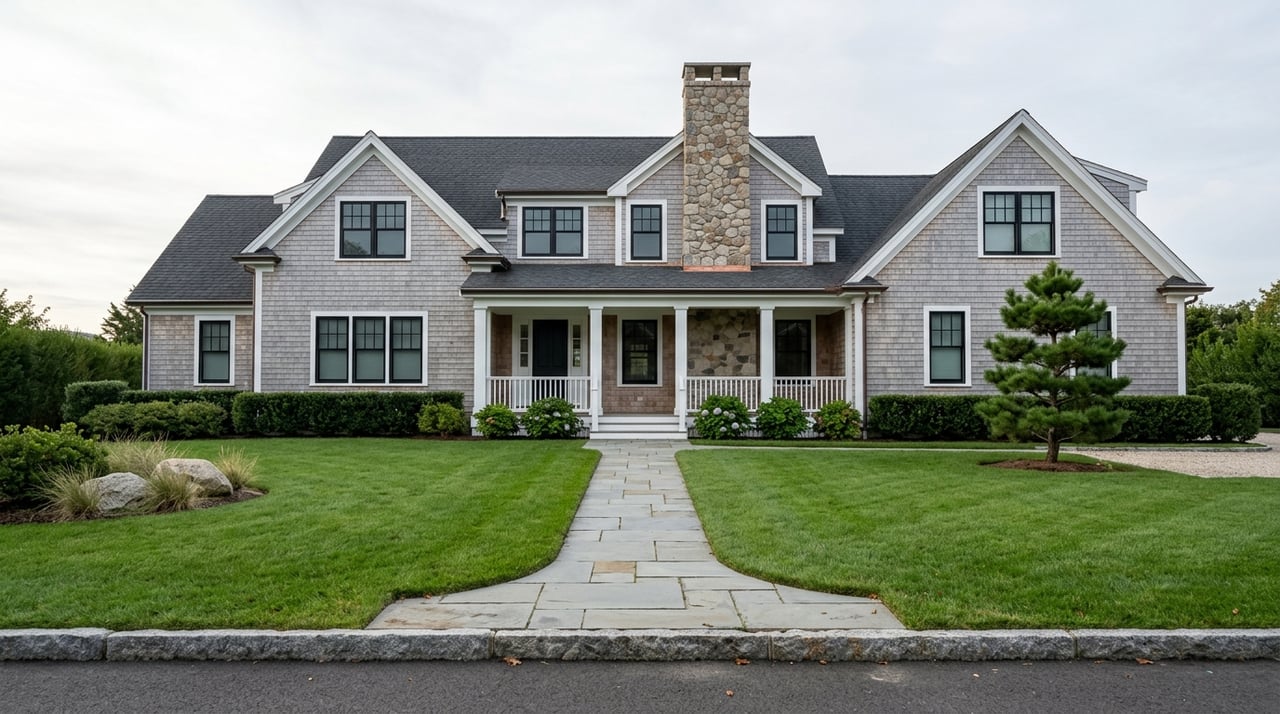
The Pier Village area sits within the historic Little Neck section, and local historic districts help preserve notable cottages and landmark structures such as The Towers and Hazard’s Castle. Nearby Ocean Road historic district materials also point to turn-of-the-century homes, carriage houses, and strong Shingle Style architecture.
If you want a setting that feels established, architectural, and close to the town beach area, the Pier often stands out. It can be a strong fit if you value walkability, a recognizable coastal village atmosphere, and homes with older New England character.
In broad terms, buyers in the Pier often compare historic cottages, renovated cottages, and some condominium options near the resort core. The appeal is often less about large lots and more about proximity, character, and the rhythm of being near the center of town.
That can be ideal if you want to step into a more classic Narragansett experience. It may be less ideal if you prefer a more tucked-away or private shoreline setting.
Point Judith and Galilee offer a different side of Narragansett. This area is shaped more by the harbor, boating activity, and ferry movement than by the traditional image of a beach village.
The town describes the Port of Galilee as an authentic working fishing village and a hub for year-round ferry service to Block Island. State freight data also identifies it as Rhode Island’s largest fishing port, which helps explain the area’s maritime energy and practical, working-waterfront feel.
If you are drawn to boats, harbor access, and a more utilitarian waterfront character, this pocket may be very appealing. At the same time, the town’s planning materials identify Point Judith Road as the principal automobile-oriented commercial strip, so buyers should expect a busier and more traffic-prone setting than the Pier or Bonnet Shores.
Housing here often includes beach houses, cottages, marina-adjacent homes, and some mixed-use or condominium product near the port. For the right buyer, that can create a strong lifestyle match, especially if proximity to boating or ferry access matters more than a polished resort atmosphere.
This enclave often works best when your priorities are clear. If your version of coastal living includes the harbor, boats, and a working shoreline, Point Judith and Galilee deserve a close look.
Bonnet Shores has a distinct neighborhood identity rooted in its history as a summer residential community. Over time, it evolved from a recreational destination into a residential neighborhood, but that original beach-community character still shapes the experience.
Compared with more public-facing parts of Narragansett, Bonnet Shores tends to feel more neighborhood-based. Its community system includes resident beach tags and a seasonal shuttle, which signals a more managed and localized beach experience.
For some buyers, that is exactly the draw. If you want a setting that feels less commercial and more tied to neighborhood routines, Bonnet Shores can offer a strong sense of place.
Buyers often see a mix of older summer cottages that have been renovated for year-round use and suburban-style single-family homes linked to the neighborhood beach system. That range gives Bonnet Shores flexibility for buyers who want either a classic cottage feel or a more updated everyday-living layout.
This area often appeals to second-home buyers and year-round residents who want a coastal neighborhood environment without the same resort-core energy found at the Pier. It can also be attractive to buyers who value a more self-contained beach community experience.
If your ideal coastline is quieter, more scenic, and more tied to trails and preservation, Black Point and Ocean Road may feel like the right match. This stretch offers a different tempo from the busier beach and harbor areas.
Black Point is a public fishing and trail area used by anglers, walkers, hikers, birdwatchers, and photographers. Nearby Ocean Road is associated with historic districts and estate-era architecture, which gives this area a more scenic and preservation-oriented identity.
For buyers who care about shoreline views, architecture, and a calmer setting, this enclave can be especially compelling. It often feels more about landscape and setting than about town-center activity.
In general, this stretch is more likely to include larger-lot homes, Shingle Style residences, and estate-era properties. The appeal often comes from the combination of scenic shoreline, architectural character, and a more private-feeling environment.
If you are searching for a refined coastal setting with a quieter profile, this part of Narragansett may rise to the top. It often suits buyers who want a home that feels rooted in the shoreline itself.
Harbor Island is one of the more specialized choices in Narragansett. It can be very appealing for buyers who care about pond access and a boat-oriented lifestyle, but it also requires more careful due diligence.
Town materials note that Harbor Island has roughly 325 to 350 homes and that the Foddering Farm Causeway is its only road connection and evacuation route. The town also notes flooding during coastal storms and extreme high tides, which makes access resilience a key part of the buying decision.
If you are considering this area, the conversation should go beyond finishes and views. Elevation, flood exposure, and route access are central parts of understanding whether the property fits your goals and comfort level.
This pocket is generally a pond-side, single-family market where access sensitivity matters as much as the home itself. For some buyers, that tradeoff is worth it because of the water orientation and the lifestyle that comes with it.
The key is to evaluate it with clear eyes. On Harbor Island, the setting can be the main attraction, but practical planning matters more here than in some other Narragansett enclaves.
One of the biggest mistakes buyers make in Narragansett is assuming all beach access works the same way. It does not, and the differences can affect daily use, convenience, and even where you choose to buy.
Narragansett Town Beach has separate admission and parking pass policies. The town also identifies Scarborough State Beach, Roger Wheeler State Beach, and Salty Brine State Beach as nearby options, with Roger Wheeler and Salty Brine known for gentler surf due to breakwater protection.
Bonnet Shores adds another layer because its beach access operates through a resident-tag and neighborhood-managed system. If beach time is a major part of your lifestyle, ask early how access works for the specific property and area you are considering.
If you are buying a second home and hope to offset carrying costs with seasonal income, Narragansett can be attractive, but local compliance matters. The town requires rental registration before occupancy, including for short-term rentals under 30 days, and registrations must be renewed annually by August 31.
That means rental potential is not just about demand. It is also about understanding the local process early so your ownership plan aligns with town requirements.
For buyers comparing enclaves, this matters because some areas may fit your personal use better, while others may better support your seasonal goals. A clear strategy can help you buy the right property rather than simply the prettiest one.
If you love the idea of restoring or customizing an older coastal home, local historic oversight should be part of your planning. The Historic District Commission regulates construction, alteration, rehabilitation, repair, moving, and demolition in designated districts.
That is particularly relevant in parts of the Pier and along Ocean Road. If a home is in a designated district, exterior changes may require local review before work begins.
This does not make these homes less appealing. It simply means your renovation timeline and design plans should be grounded in the local approval process.
Because Narragansett is a coastal town, practical risk planning is part of smart buying. The town’s Emergency Management materials identify hazards that include hurricanes, severe weather, power failure, hazardous materials incidents, flooding, and earthquakes.
The town also participates in the National Flood Insurance Program and uses official FEMA flood maps. In everyday terms, that means flood exposure, elevation, and access routes should be reviewed carefully, especially for more water-exposed pockets such as Harbor Island and other shoreline properties.
For luxury and second-home buyers, this is part of protecting long-term enjoyment and value. The right property is not only beautiful in July, but also realistic for year-round ownership.
When buyers narrow in on Narragansett, the best choice usually comes down to how they want to live. A quick way to frame it is this:
There is no universally best enclave in Narragansett. There is only the one that best matches your lifestyle, ownership plans, and tolerance for the tradeoffs that come with each shoreline setting.
If you are weighing those choices, a local, property-specific lens matters. Chanel Chung offers boutique guidance for coastal buyers and sellers who want clear advice on lifestyle fit, valuation, and seasonal ownership strategy in Narragansett.
Stay up to date on the latest real estate trends.



Chanel delivers a client-first, luxury real estate experience backed by generational expertise, elite connections, and proven results. Whether buying or selling, she provides strategic guidance, global exposure, and exceptional service at every step.