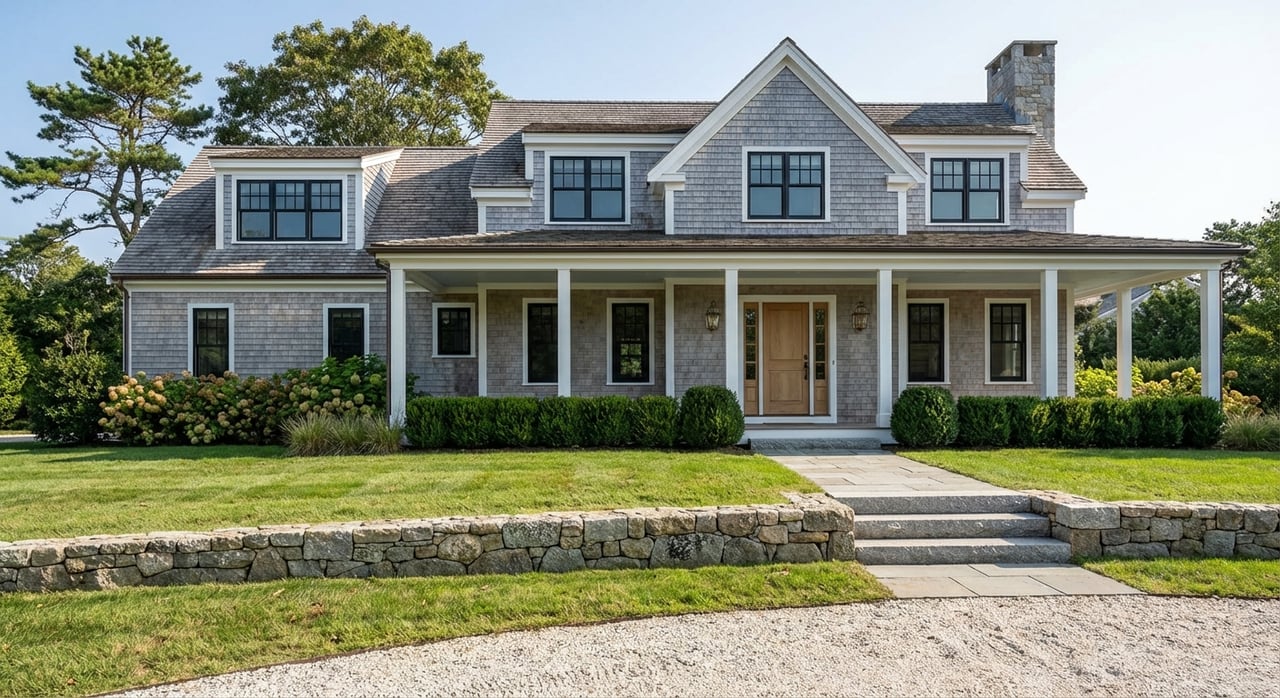
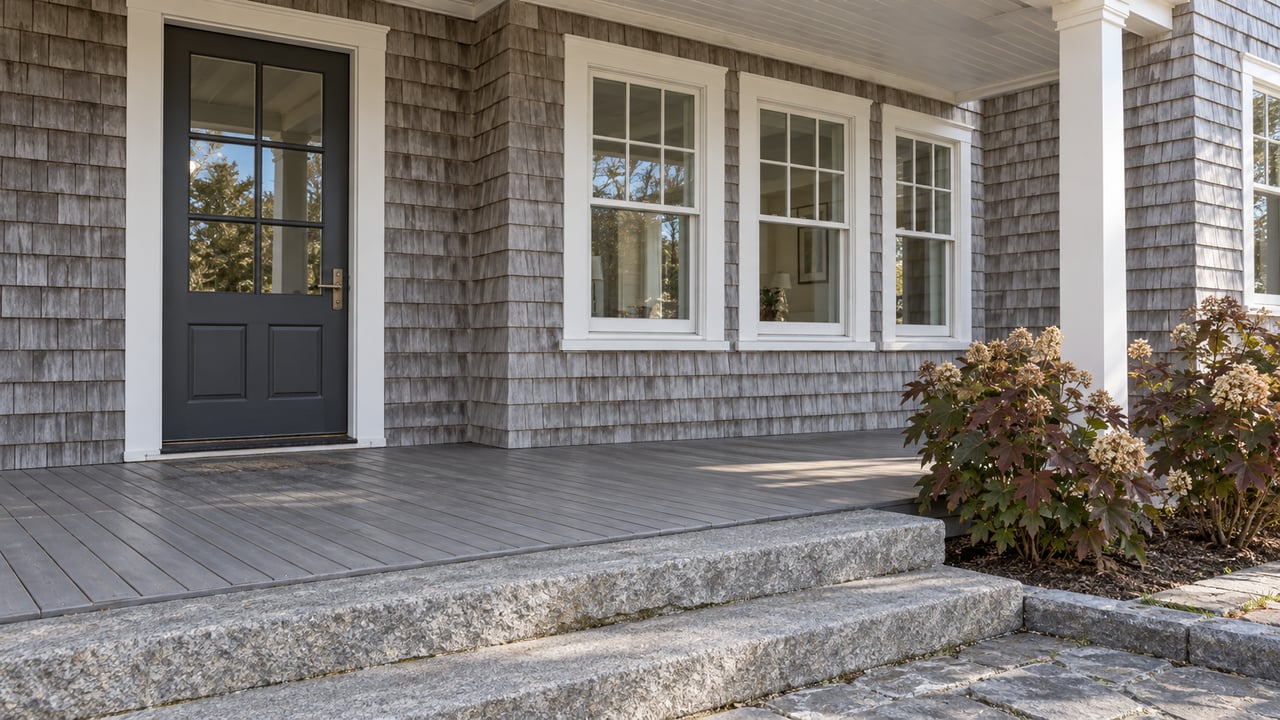
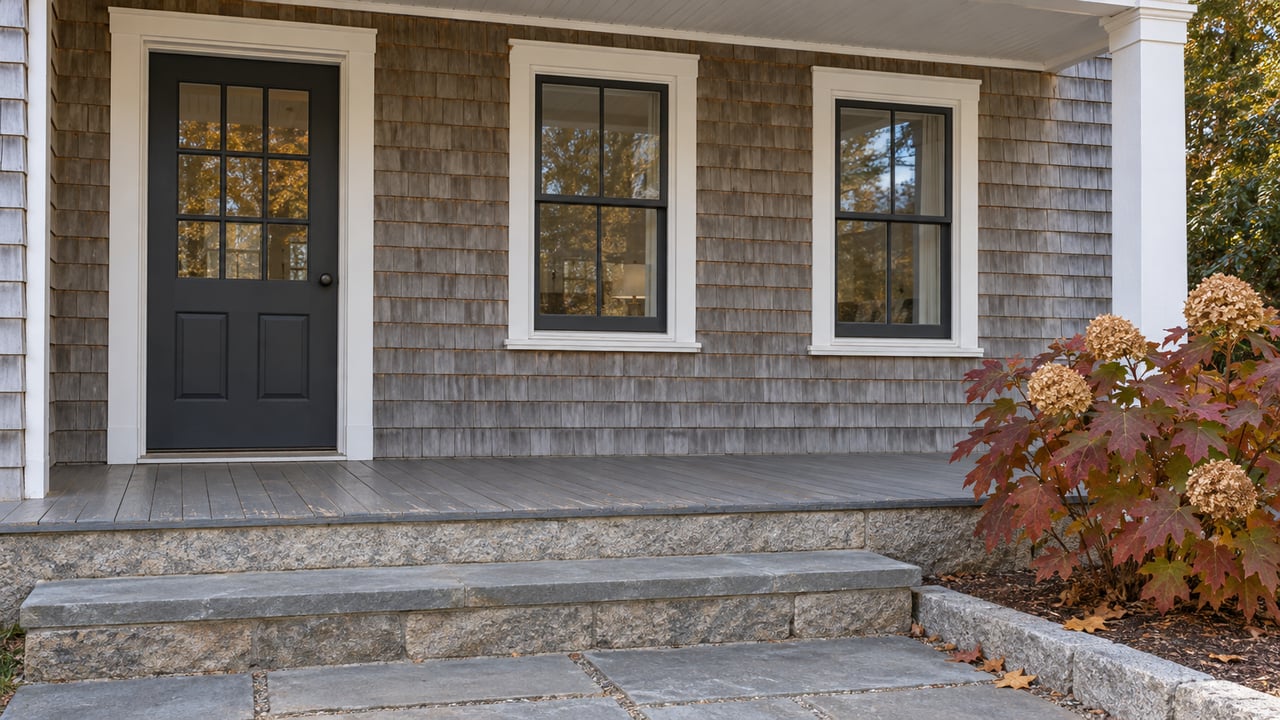
Salt air, cliffside views, Gilded‑Age gates, and a harbor that never sleeps — Newport gives you distinct luxury lifestyles within a few miles. If you are weighing ocean seclusion against walkable dining or a historic showpiece against a low‑maintenance condo, the right neighborhood makes all the difference. In this guide, you’ll map your priorities to Newport’s premier enclaves, learn the key rules that affect use and value, and see what due diligence to run before you write an offer. Let’s dive in.
Start with your top priorities
Begin by ranking your top 1–3 lifestyle drivers. This simple filter points you to the best fit fast.
- Oceanfront views and big lawns: Ocean Drive, Brenton Point, or Ochre Point along Bellevue waterfront. Consider coastal exposure and park adjacency. Learn more about the Ocean Drive corridor via the city’s visitor guide at Ocean Drive in Newport.
- Walkable nightlife and dining: Lower Thames, Washington Square, Bowen’s Wharf, or The Point for a quieter residential grid near the harbor. The area forms part of the Newport Historic District.
- Architectural prestige and historic character: Bellevue Avenue Mansion District and Kay–Catherine. Many properties sit within local or national historic districts with design review.
- Boating first, with slip or mooring access: Goat Island and the harborfront. Check availability early on the City mooring waiting list and explore Goat Island Marina.
- Lock‑and‑leave living: Downtown and harbor condos near Washington Square for HOA‑managed convenience.
What the market looks like now
Newport’s median price varies by source and season. Zillow’s Newport Home Value Index recently tracked in the low 900s, with a ZHVI around $882,885, while Redfin reported a median sale price near $865,000 in January 2026. Other reports at times show medians around or above $1 million depending on the sample window. Expect variation and seasonal swings on Aquidneck Island. For a specific property, rely on hyper‑local, recent comps and the home’s unique attributes rather than a single citywide median.
Bellevue Avenue Mansion District and Ochre Point
Walk under mature trees and wrought‑iron gates, and you feel the scale of Newport’s Gilded Age. Bellevue Avenue and Ochre Point are lined with architecturally significant estates and formal gardens. The Preservation Society provides context on stewardship and history along Bellevue Avenue, and much of the corridor is part of the Bellevue Avenue Historic District.
- Housing types: Grand “cottages,” large historic single‑family estates, and a handful of subdivided residences. New construction is limited.
- Buyer fit: You value architectural pedigree, formal lawns, and are ready for stewardship costs.
- Practical notes: Exterior changes often require Historic District Commission review. Confirm rules through the city’s Code of Ordinances. Larger parcels can carry high property taxes; review resident vs non‑resident residential rates on the Tax Assessor’s page.
Ocean Drive, Brenton Point, and Cliff Walk corridor
If you want open Atlantic exposure, kite fields at Brenton Point, and long coastal drives, this is your lane. Ocean Drive feels recreational and scenic, framed by parks like Brenton Point and nearby Fort Adams, with the iconic Cliff Walk tracing dramatic shoreline.
- Housing types: Oceanfront estates and mid‑size historic houses on larger, often wind‑exposed lots. Condo product is limited.
- Buyer fit: You prize views, privacy, and car access over walkable nightlife.
- Practical notes: Coastal permitting can be complex and improvements facing the sea may require extra approvals. Carefully review flood zones and elevation certificates through Flood Safe Newport. Insurance and resiliency planning are essential here.
Downtown Waterfront, Lower Thames, Washington Square, and The Point
This is Newport’s heartbeat for restaurants, galleries, and harbor activity. Walk out for coffee, watch regattas from a wharf, and enjoy year‑round amenities that pull locals and visitors alike. Much of the area lies within the Newport Historic District.
- Housing types: Harborside condos in converted warehouses and newer buildings, plus small historic houses on narrow, charming streets. Select waterfront parcels trade at a premium.
- Buyer fit: You want high walkability, minimal grounds maintenance, and easy access to arts and dining.
- Practical notes: Expect higher summer foot traffic and seasonal parking dynamics. If rental flexibility matters, confirm STR licensing and zoning at the city’s STR portal before assuming income potential.
Kay–Catherine, Historic Hill, and Old Beach
Tree‑lined streets and period architecture define these stately residential pockets just steps from Bellevue and beaches. Renovated historic homes here command a premium when done well.
- Housing types: Large 19th‑century homes, some sensitively converted to multifamily, alongside renovated single‑family properties and select infill condos.
- Buyer fit: You want a neighborhood feel with rich architectural detail and convenient access to downtown.
- Practical notes: Many streets fall within local historic districts. Before planning exterior work, review HDC requirements in the Code of Ordinances. Verify assessed value and residential tax classification on the city’s Tax Assessor page.
Goat Island and the Harborfront
For boaters, few places beat waking up steps from moorings and slips. Goat Island offers deep‑water marina access with quick harbor connections and a short shuttle or drive to downtown.
- Housing types: Waterfront condos and compact lots close to docks, with some larger homes on smaller parcels. Explore slip logistics through Goat Island Marina.
- Buyer fit: You prioritize boating and are comfortable with marina operations and lease terms.
- Practical notes: Research mooring and slip availability early via the city’s Mooring Waiting List. For waterfront parcels, confirm flood zone and insurance implications at Flood Safe Newport.
Costs and rules that change value
In Newport’s luxury tier, several municipal items can shift your total cost of ownership or even your allowable use. Build these checks into your early due diligence.
- Property taxes and classification: Newport publishes separate residential rates for resident and non‑resident owners. Review current rates and exemptions on the Tax Assessor’s page.
- Historic District Commission review: Exterior changes in designated areas usually require HDC approval. Read the process and definitions in the city’s Code of Ordinances.
- Flood risk and insurance: For waterfront or low‑elevation homes, get the Elevation Certificate early and compare NFIP and private quotes. Start at Flood Safe Newport.
- Short‑term rentals: Newport requires registration for Transient Guest Facilities. Confirm zoning and license status at the STR portal.
- Moorings and slips: Availability can be tight and season‑dependent. Check the city’s Mooring Waiting List and consult marinas directly.
Seasonality, privacy, and guest logistics
Newport’s high season runs late spring through early fall, with festivals around Fort Adams and plenty of waterfront programming. Expect fuller restaurants, more street activity, and tighter parking near downtown during these months. If serenity is a priority, Ocean Drive and estate‑scale pockets typically offer more privacy. For an overview of local parks that shape the outdoor rhythm, browse the state’s listing of Newport parks.
Schools and academic options
If schools factor into your decision, Newport has local public schools and several private day and boarding options across Aquidneck Island and nearby towns. Many relocating families consider institutions like St. George’s School in Middletown and Portsmouth Abbey in Portsmouth. When you compare neighborhoods, include commute times to your preferred campuses.
A simple neighborhood short‑list tool
Use this quick map from priority to place:
- Ocean views and big lawns: Ocean Drive, Brenton Point, Bellevue waterfront.
- Walkable dining and arts: Lower Thames, Washington Square, Bowen’s Wharf, The Point.
- Historic pedigree: Bellevue Avenue, Ochre Point, Kay–Catherine.
- Boating access: Goat Island and harborfront corridors.
- Low‑maintenance living: Downtown and harbor condos near Washington Square.
Your pre‑offer due diligence checklist
Before you commit, line up these items so you can move quickly and confidently:
- Recent comparable sales for the micro‑location and property type.
- Historic‑district status and any HDC approvals needed for your plans, using the Code of Ordinances.
- FEMA flood zone and Elevation Certificate, plus insurance quotes, via Flood Safe Newport.
- STR licensing status and zoning allowance at the STR portal if rental use matters.
- Mooring or slip path, wait time, and costs through the Mooring Waiting List and marina contacts like Goat Island Marina.
- Current tax bill and how residential classification applies through the Tax Assessor’s page.
When to bring in a local advisor
You will benefit from professional guidance when any of the following apply:
- You are weighing Ocean Drive seclusion against downtown walkability and need property‑level comps.
- You expect exterior changes that could trigger Historic District Commission review.
- The home sits near the harbor or ocean and you need an Elevation Certificate, flood history, and insurance outlook.
- You want to model seasonal rental potential and confirm STR licensing and zoning.
- Boating access is essential and you need a plan for slips or moorings.
Ready to refine your short list or preview off‑market opportunities? Connect with Chanel Chung to align your lifestyle goals with the right Newport address.
FAQs
How do Newport’s luxury medians compare across sources?
- Portals report different medians based on method and timing. Recent figures ranged from the mid‑$800Ks to low $900Ks, with some reports above $1 million depending on sample windows. Use micro‑neighborhood comps for decisions.
What should I know about historic‑district rules in Newport?
- Many luxury pockets fall within historic districts. Exterior changes often need HDC approval. Review definitions and process in the city’s Code of Ordinances before planning work.
How do flood zones affect Newport waterfront purchases?
- Confirm the FEMA zone, obtain an Elevation Certificate, and price insurance early. Start with the city’s Flood Safe Newport hub for maps and certificates.
Can I operate a short‑term rental at my Newport home?
- You must register Transient Guest Facilities with the city and follow zoning. Confirm license status and rules through the STR portal before assuming rental income.
Where should boaters focus for slip or mooring access?