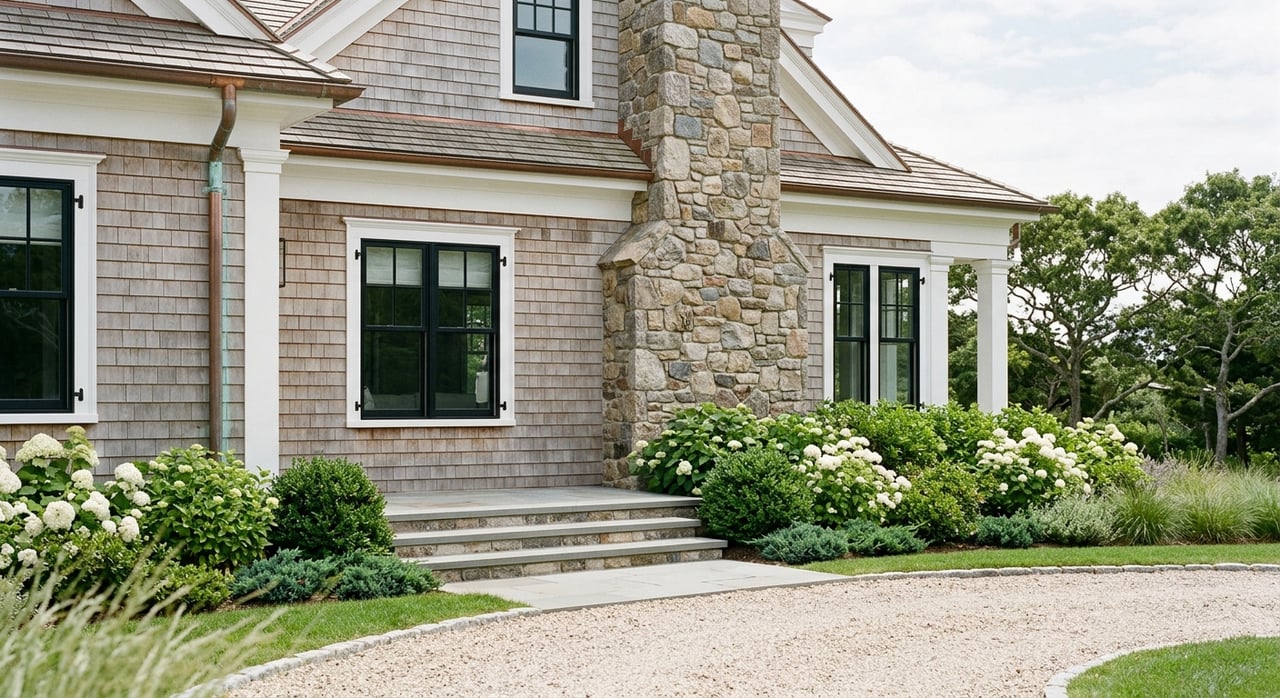
What Shapes Value in the Charlestown RI Custom Homes Market?
June 25, 2026
June 25, 2026
If you have been watching Charlestown, you have probably noticed that custom homes are doing more than adding fresh finishes to the coastline. In a small market with limited inventory, a single teardown, rebuild, or well-planned custom home can change how buyers see an entire pocket of town. If you are thinking about buying, building, or selling in Charlestown, it helps to understand why these homes matter and what really drives their value. Let’s dive in.
Charlestown is not a market where new construction blends into endless subdivisions. The town is small, largely owner-occupied, and shaped by coastal land, historic village patterns, ponds, and woodlands. That means every new custom home tends to stand out, both visually and financially.
Recent market data shows a March 2026 median sale price of $651,000, up 18.6% year over year. Homes averaged 42 days on market, and 50.0% sold above list price. In a market this tight, thoughtfully executed custom homes can have an outsized effect on buyer expectations and pricing.
Charlestown’s planning documents make one point clear: the town values its existing character. Scenic roads, coastal areas, inland ponds, and historic village patterns are part of what makes the community distinctive. Because of that, custom homes are judged on more than luxury finishes or square footage.
In practical terms, siting, scale, and massing matter. A home that fits the lot and respects the surrounding context is more aligned with how Charlestown approaches development. That is important for both buyers evaluating long-term value and sellers positioning a property in the market.
In some coastal markets, the goal is simply to maximize size. Charlestown is more selective than that. The town’s design and policy direction suggest that the most durable value comes from projects that work with site limits rather than pushing against them.
That means a custom home may gain stronger market support when it balances design, wastewater considerations, stormwater management, flood compliance, and neighborhood context. In Charlestown, restraint can be part of the luxury equation.
Charlestown’s housing analysis notes a long-term increase in seasonal housing, especially near the shore. It also reports that many older cottages have been demolished or converted into larger homes for new residents and second-home owners. That replacement pattern is one reason custom homes have become a meaningful part of the local coastal market.
The densest residential development is found around the eastern and western ends of Ninigret Pond south of Route 1. Some coastal areas are already seeing teardown-rebuild activity with larger footprints. For buyers and investors, those areas may draw attention, but they also come with added complexity.
Charlestown’s zoning standards reinforce that not every parcel can support the same kind of project. Minimum lot sizes include 20,000 square feet in R-20, 40,000 square feet in R-40, 2 acres in R-2A, and 3 acres in R-3A. Cluster subdivision and conservation-development options also appear in the town’s regulations.
That framework points many realistic custom-home opportunities toward larger parcels, older nonconforming lots, or inland sites with fewer environmental constraints. A shoreline address may be appealing, but an inland parcel with better dimensional flexibility can sometimes offer a clearer path to a successful build.
A small cottage on a beautiful lot may look like an easy rebuild candidate, but appearances can be misleading. Charlestown’s subdivision regulations state that lots must meet zoning minimums exclusive of land unsuitable for development. Lots that are not approved for septic suitability by the Rhode Island Department of Environmental Management will not be approved for subdivision or land development.
That means a parcel’s true buildability depends on more than what you can see from the road. Before you assume a site can support a large custom home, you need to understand wastewater, wetlands, dimensional limits, and any land that cannot count toward development standards.
Charlestown’s building-permit materials show that construction within 200 feet of a coastal feature can require assent from the Coastal Resources Management Council. Projects may also trigger on-site wastewater treatment approval and freshwater wetland determinations where relevant. If the property is in a flood zone, the work must comply with Rhode Island Building Code section R-322 and ASCE 24-14, with flood documentation and an elevation certificate required before occupancy.
For luxury buyers, this is where local knowledge matters. The best custom-home decisions usually start with site analysis, not floor plans.
One of the biggest forces shaping Charlestown’s custom-home market is something many buyers do not think about first: groundwater. The town’s housing analysis states that Charlestown sits over a sole-source aquifer. It also notes that residential wastewater and stormwater are the primary nitrate sources.
The same report says new development is not recommended in areas closest to the salt ponds and north of Route 1 on the east side without nitrate mitigation. That makes site selection a serious water-quality and wastewater question. In this market, a parcel’s environmental profile can directly affect what you can build, how long approvals may take, and how attractive the finished property will be to future buyers.
In a small, thinly traded market, custom homes can move the ceiling. Charlestown’s documented pattern of teardown-rebuild activity, especially where older cottages are replaced by larger homes, suggests that a well-executed custom property can raise perceived standards within a neighborhood. When inventory is limited, one standout home can shape nearby pricing conversations.
That said, not every custom build delivers the same result. A home that respects lot coverage, flood requirements, septic realities, and the town’s coastal character is more likely to hold value over time. A project that chases size without solving site constraints may face more friction from both the approval process and the resale market.
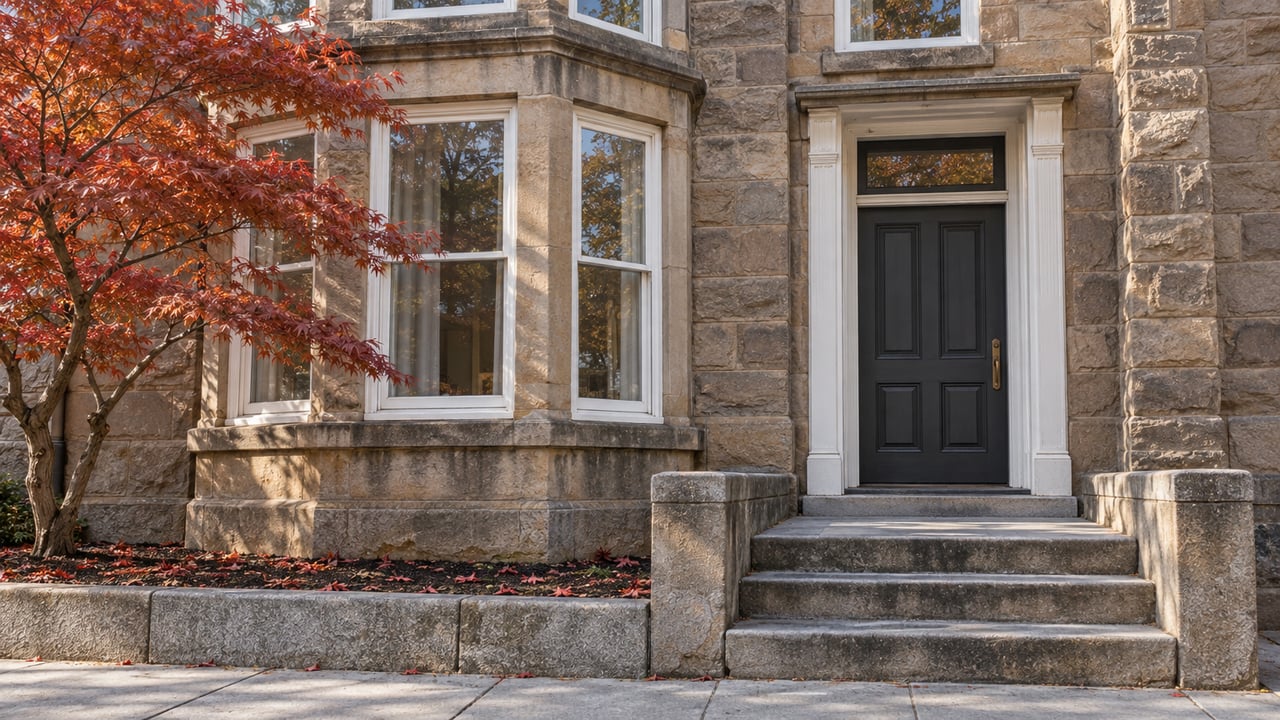
Charlestown’s planning direction emphasizes preserving quality of place and avoiding generic development. For owners, that has an important takeaway. The homes that tend to feel most valuable are often the ones that look like they belong there.
In luxury coastal real estate, buyers often respond to proportion, placement, and setting as much as finish level. A custom home that fits the land and complements Charlestown’s rural-coastal identity can have stronger long-term appeal than one that simply tries to dominate the lot.
If you are deciding between a custom build and a move-in-ready home, the tradeoff is fairly clear. Turnkey homes offer more certainty. You can evaluate the final product, avoid much of the approval process, and reduce construction risk.
Custom homes offer more control. You can tailor the design to your lifestyle, privacy goals, seasonal use, or long-term ownership plans. But that control only pays off when the parcel has enough flexibility and you are prepared for permitting, flood compliance, and possible coastal review.
For some owners, an accessory dwelling unit may offer a lower-risk path. Charlestown now permits certain ADUs by right on residential lots of at least 20,000 square feet or within an existing footprint. They are capped at 900 square feet or 60% of the primary dwelling, and they are not allowed for transient use.
Depending on your property and goals, an ADU may create useful flexibility without the same level of complexity as a full custom build or major teardown-rebuild project.
If you are buying in Charlestown, the lesson is simple: do not judge a custom-home opportunity by views or charm alone. The most successful purchases are usually backed by careful review of zoning, septic feasibility, flood exposure, and coastal permitting.
If you are selling, it helps to understand how much buyers value clarity. In a market where site constraints can shape everything, properties tend to stand out when the development path is well understood. Strong positioning starts with knowing whether your lot supports expansion, a future rebuild, or a more limited use case.
For both buyers and sellers, custom homes shape the Charlestown coastal market because they influence expectations, pricing, and neighborhood character all at once. In this town, the strongest projects are usually the ones that solve the land first and let the architecture follow.
If you are weighing a coastal purchase, a future build, or the best positioning for a Charlestown property, Chanel Chung offers a concierge-level approach grounded in coastal market knowledge, valuation insight, and strategic guidance.
Stay up to date on the latest real estate trends.


Chanel delivers a client-first, luxury real estate experience backed by generational expertise, elite connections, and proven results. Whether buying or selling, she provides strategic guidance, global exposure, and exceptional service at every step.