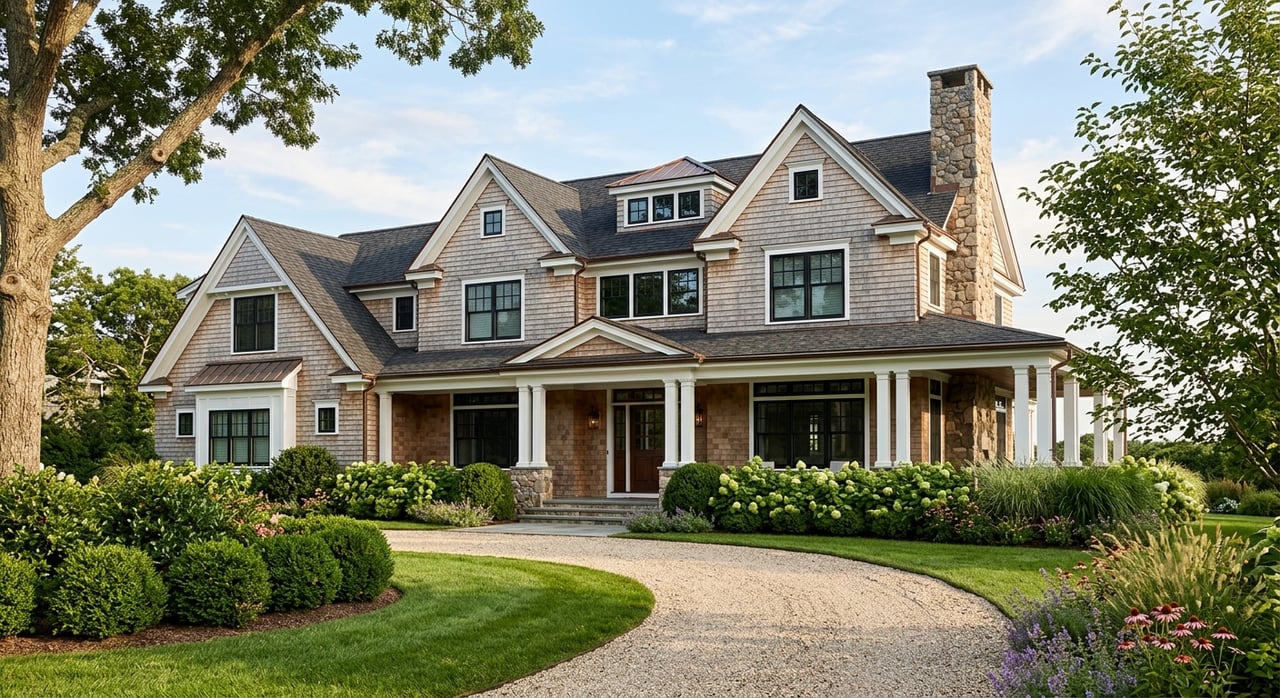
Portsmouth vs Newport: Deciding Where To Buy Coastal
May 28, 2026
May 28, 2026
Trying to choose between Portsmouth and Newport for a coastal home? It is a common question, especially when both towns offer water access, strong housing demand, and distinct Rhode Island charm. If you are weighing lifestyle, price point, boating access, and the kind of property that fits your goals, this guide will help you compare the two with more clarity. Let’s dive in.
If you want the shortest answer, Portsmouth usually offers more space, more privacy, and a lower coastal entry price. Newport usually offers more walkability, a more urban harbor setting, and a higher price point.
That difference shows up in both geography and housing patterns. Portsmouth has an estimated 17,391 residents spread across 22.98 square miles of land, while Newport has 24,482 residents on 7.66 square miles. Portsmouth also has a much higher owner-occupied housing rate at 80.7%, compared with 49.8% in Newport, which points to a more year-round residential housing base.
For many buyers, price is the first big filter. The Census estimate for owner-occupied home value is lower in Portsmouth at $597,000, compared with $746,900 in Newport.
Current market pricing shows the same pattern. Redfin’s March 2026 median sale price was $712,500 in Portsmouth versus $900,000 in Newport, making Newport the clear premium-priced coastal option.
Both markets are described as somewhat competitive, but the pace is a little different. In Portsmouth, homes were selling in 39 days with a 98.4% sale-to-list ratio, while Newport homes were selling in 50 days with a 94.9% sale-to-list ratio.
If you want more value per dollar, Portsmouth may give you a wider range of options. You may find more land, more separation from neighbors, and a lower price point for entering the coastal market.
If you are focused on owning in one of Rhode Island’s most recognizable harbor cities, Newport may justify the premium. Buyers often pay more there for location, walkability, and the city’s distinct waterfront setting.
Both towns support a coastal lifestyle, but they do it in different ways. Your best fit depends on whether you want broader shoreline access or a more concentrated harbor experience.
Portsmouth’s official town information says Sandy Point Beach is the town’s only official beach. McCorrie Point is an open-space shoreline area with no facilities and is designated use at your own risk.
The town’s Harbor Master also lists public boat ramps at Weaver Cove, Cedar Cove, and Stone Bridge. Portsmouth has more than 50 miles of shoreline and about 1,500 moorings, which supports the idea of a boating-oriented town with broad access points.
Newport’s waterfront is more compact and more iconic. City materials identify Easton’s Beach as the largest public beach, with Fort Adams Beach and King Park Beach providing additional public access.
Newport’s Harbor Walk effort reflects the city’s focus on expanding public waterfront access. At the same time, Newport’s Waterfront Commission reported 938 moorings at the end of 2025 and a 1,200-person waiting list, which suggests very strong boating demand and tighter capacity.
Portsmouth may be the better match if you want practical boating access, more shoreline, and multiple launch points. It tends to feel more spread out and less concentrated around one central harbor system.
Newport may be the better fit if you want a harbor-city setting where the waterfront is central to the daily experience. The tradeoff is that demand is high and mooring access appears tighter.
The kind of home you want should play a major role in your decision. Portsmouth and Newport have very different housing patterns.
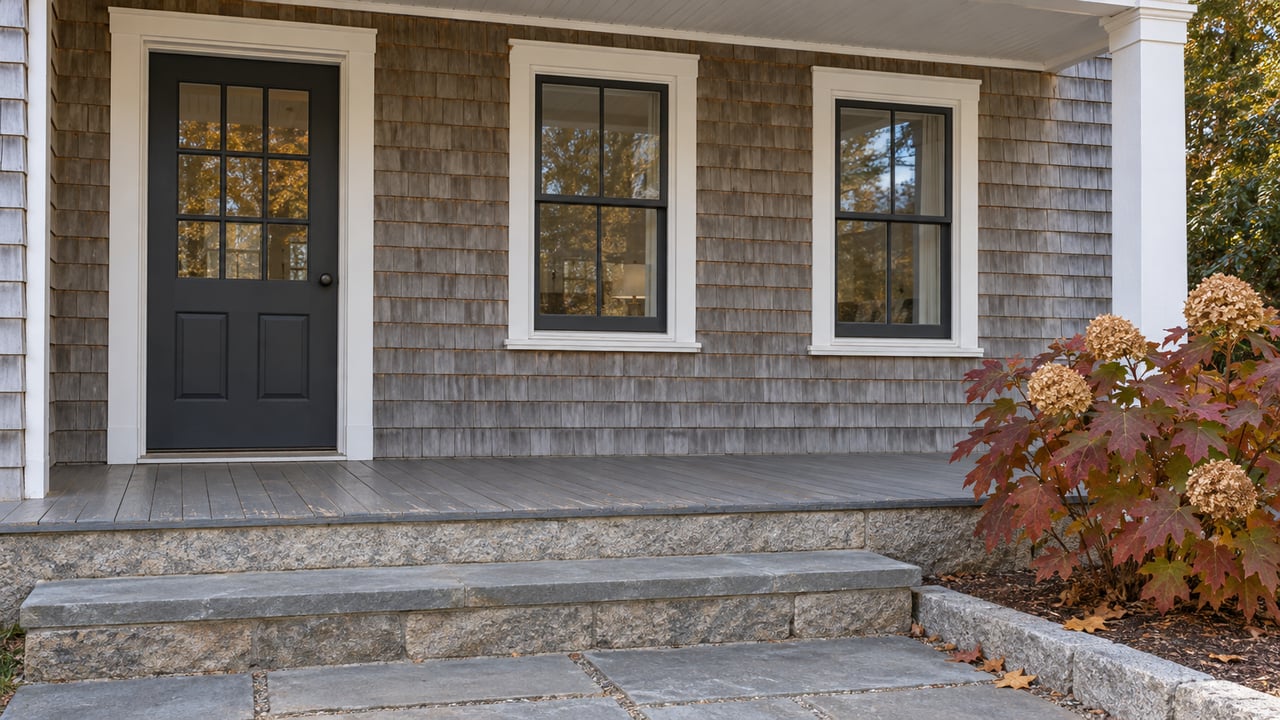
Portsmouth’s planning materials emphasize open space, farms, fields, wetlands, and shoreline. The town has long described its rural and country atmosphere as part of its identity, which helps explain why many buyers associate Portsmouth with detached homes, larger lots, and a quieter coastal setting.
The town’s tax guidance also distinguishes traditional residential property from recreational-residential, seasonal, or non-owner-occupied homes. That is useful context if you are shopping for a second home or a seasonal-use property.
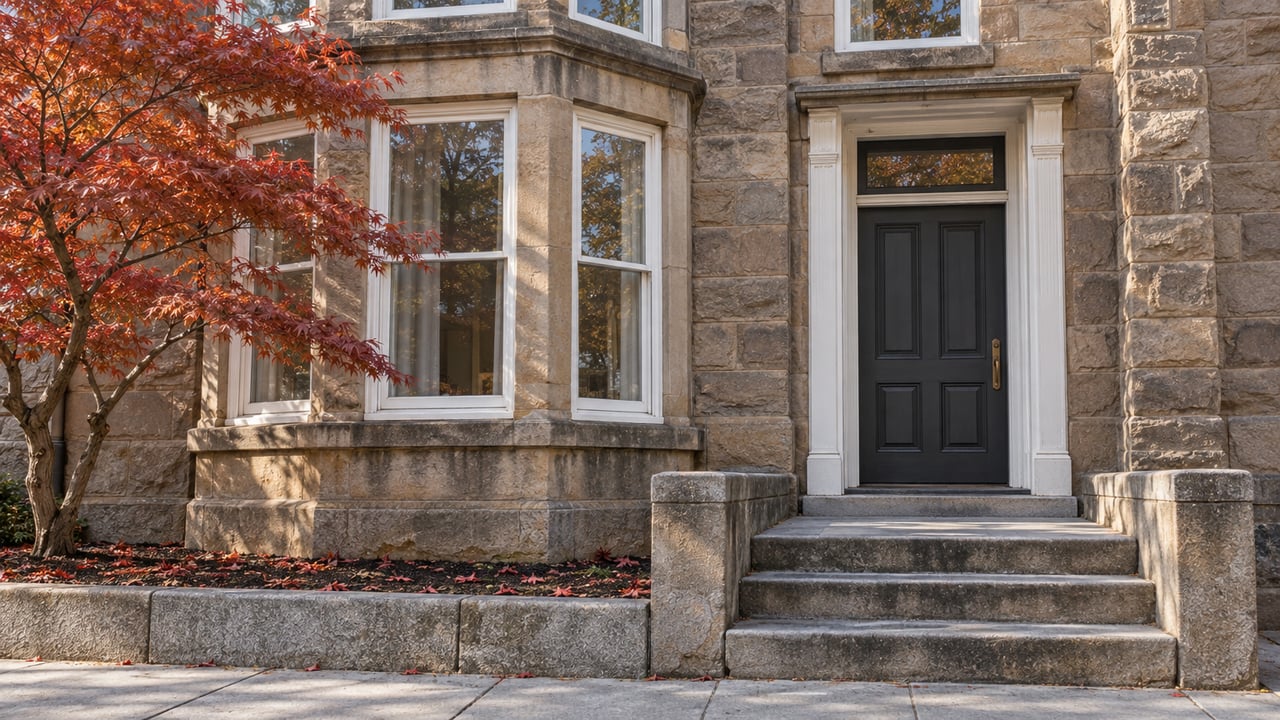
Newport’s housing chapter presents a different picture. The city has little undeveloped buildable land, maintains historic urban land-use patterns, and includes many older homes.
The same city planning materials note that Newport contains the largest selection of 18th-century wood houses in the country. They also describe Newport as already being a multifamily city, with an existing mix of roughly 34% single-family units, 48% two-family units, and 18% multifamily units.
In Portsmouth, you are more likely to focus on lot size, privacy, and room to spread out. The town’s overall land pattern supports a more open, residential feel.
In Newport, you are more likely to compare historic homes, smaller lots, condos, two-family properties, and multifamily options in a denser setting. That makes Newport especially appealing if you want a home that is closely tied to the city’s urban coastal character.
Price and property type matter, but daily experience usually decides the purchase. The question is simple: what do you want your coastal life to feel like?
Portsmouth’s larger land area and higher owner-occupancy rate support a more year-round residential feel. Town planning materials describe a growing community focused on long-term management and livability, and its open-space history reinforces a quieter atmosphere.
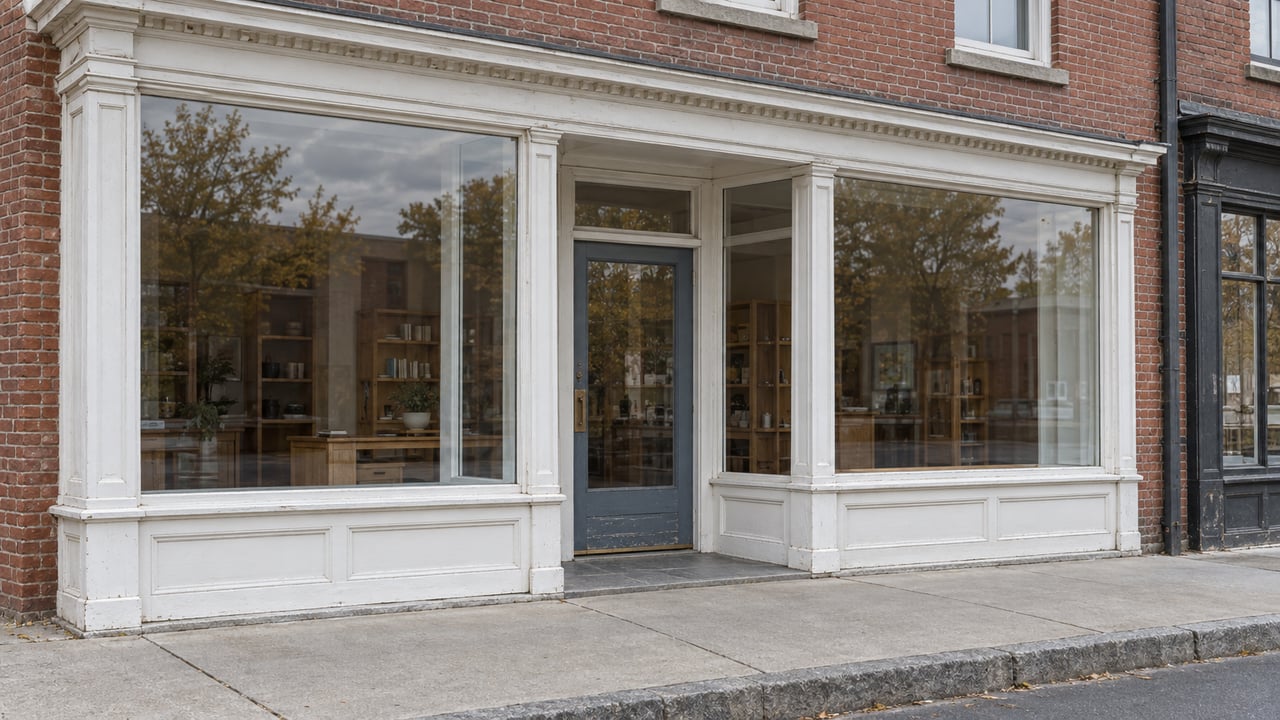
Newport feels more city-like. Planning materials describe a pedestrian-centered downtown, identify the harbor as one of the city’s defining assets, and note that the city is regularly visited by day-trippers.
That means the two towns often appeal to different priorities. Portsmouth tends to suit buyers who want peace, privacy, and more breathing room, while Newport tends to suit buyers who want walkability, harbor views, restaurants, and a more active coastal setting.
If you are still deciding, it helps to match the town to how you plan to use the property.
When buyers compare Portsmouth and Newport, the best choice is rarely about which town is better in general. It is about which town fits your priorities better.
If your checklist starts with privacy, land, and a more relaxed residential rhythm, Portsmouth usually stands out. If your checklist starts with walkability, harbor energy, and a more compact coastal city lifestyle, Newport usually rises to the top.
For many luxury and second-home buyers, the right answer also depends on how you plan to use the property over time. That includes whether you want a personal retreat, a full-time residence, or a home that may also benefit from seasonal rental strategy and careful positioning in the coastal market.
If you want help weighing Portsmouth against Newport through the lens of value, lifestyle, and long-term fit, Chanel Chung offers a polished, concierge-level approach backed by deep coastal Rhode Island market knowledge.
Stay up to date on the latest real estate trends.


Chanel delivers a client-first, luxury real estate experience backed by generational expertise, elite connections, and proven results. Whether buying or selling, she provides strategic guidance, global exposure, and exceptional service at every step.