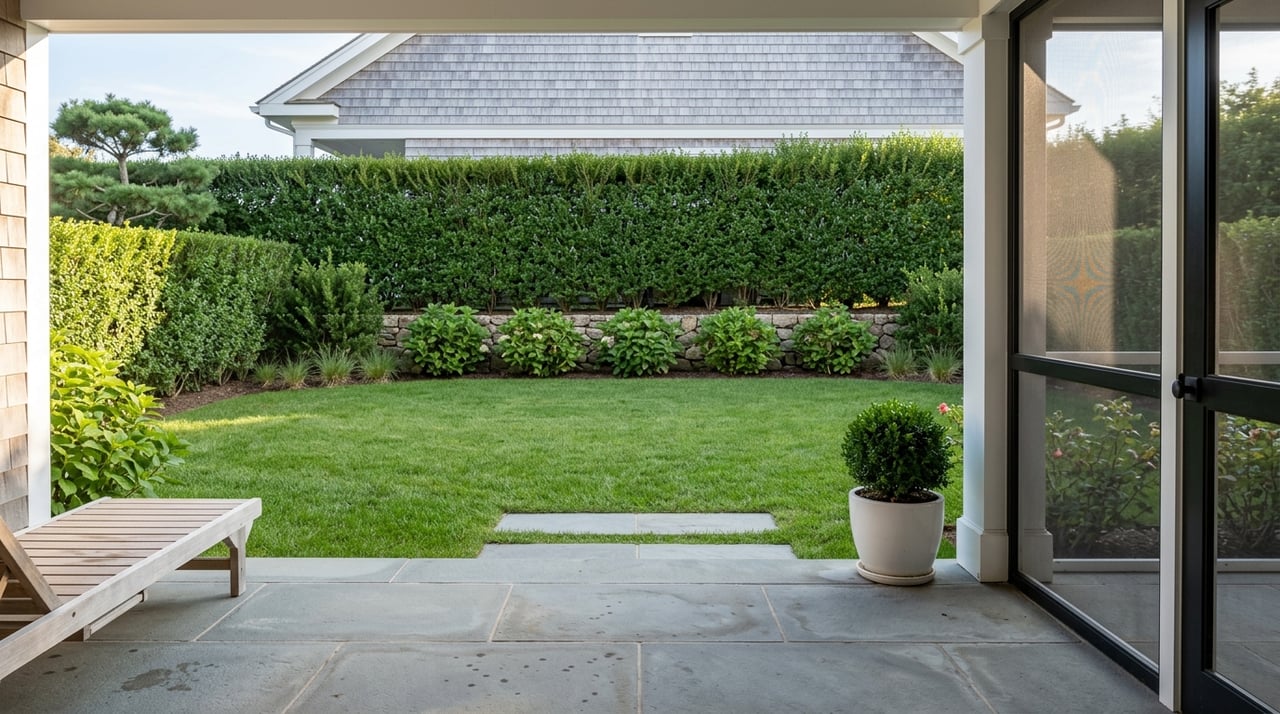
Understanding Watch Hill’s Ultra‑Private Luxury Market
July 2, 2026
July 2, 2026
If you are looking at Watch Hill, you are not shopping a typical coastal market. You are stepping into a small, highly visible, yet deeply private enclave where limited inventory, seasonal demand, and property-specific details can matter more than broad market headlines. Whether you plan to buy, sell, or simply understand how this corner of coastal Rhode Island works, this guide will help you read the market more clearly. Let’s dive in.
Watch Hill sits within Westerly on Rhode Island’s southwestern point, but it does not behave like a standard town-wide market. Westerly describes the area as a long-time destination known for beaches, shops, restaurants, the lighthouse, the historic carousel, and access to Little Narragansett Bay. At the same time, the village’s scale and layout create a more controlled, tucked-away feel than many other coastal areas.
That sense of privacy is reinforced by how people move through the area. The lighthouse is reached by a private road, vehicle access is restricted, and parking is limited. Summer activity can be lively, but access patterns still support a market where discretion and timing often matter.
The harbor also adds to the enclave feel. Public docking capacity is limited, the yacht club is private, and nearby boating access can fill up on busy summer weekends. In practical terms, Watch Hill feels less like an open-through market and more like a place where ownership, access, and local rhythm shape the real estate experience.
One of the biggest mistakes you can make in Watch Hill is treating it like a simple extension of Westerly or Washington County. Public data for the village is limited, and the number of closed sales can be very small. That means broad averages from nearby areas may offer context, but they do not tell the full story.
Recent public data shows just how thin the sample can be. Redfin reported one home sold in the last three months, a median sale price of $7.1 million, a median of 159 days on market, and average sales around 9% below list price. With so few transactions, those figures can shift quickly, so they should be read carefully.
What is clear is the pricing gap between Watch Hill and the broader market around it. Westerly’s median listing price was $917,450 in May 2026, while Watch Hill’s recent median sale price was far higher at $7.1 million. That spread is a strong reminder that Watch Hill operates as its own luxury niche, with pricing driven by scarcity, location, privacy, and property quality.
Watch Hill is part of a town with a significant seasonal housing pattern. Westerly’s 2024 housing study found that 2,094 units were seasonal or vacation homes in 2022, equal to 16.7% of the town’s housing stock, compared with 3.9% statewide. That is a major difference, and it affects how demand shows up across the year.
For you as a buyer or seller, this matters because market momentum is not evenly distributed. Interest often rises when coastal living is easiest to picture, especially in late spring and summer. Buyers are not only evaluating a home, but also the experience of being there during the season when Watch Hill is most active.
Search activity also points to a broader lifestyle-driven audience. Redfin’s migration data shows inbound search interest led by New York, followed by Hartford and Springfield. While search traffic is not the same as closed sales, it supports the idea that Watch Hill attracts second-home and out-of-area buyers who are comparing a very specific kind of coastal ownership opportunity.
In a market defined by privacy, an off-market or delayed public launch can be appealing. Some sellers want to limit exposure, test pricing quietly, or reach a targeted buyer pool before opening the property to broader attention. In a place like Watch Hill, that approach can align with both the physical setting and client preferences.
There is also a policy framework that supports more flexible listing exposure. NAR’s 2025 Multiple Listing Options for Sellers policy recognizes office-exclusive and delayed-marketing exempt listings, provided the seller signs a disclosure acknowledging that immediate broad MLS exposure is being waived or delayed. For a privacy-minded seller, that creates a compliant path to a more controlled rollout.
That said, private marketing is not automatically the right choice. A smaller audience can preserve discretion, but it can also reduce competition if the buyer pool is already narrow. The real question is not whether private marketing sounds exclusive, but whether it fits your goals, timing, and property profile.
In Watch Hill, pricing is rarely a formula. You cannot rely on broad county trends or general coastal averages when inventory is thin and each property has distinct value drivers. Scarce comparables mean the latest local closed sales carry more weight, even when there are only a few of them.
That is why the first list price matters so much. Available data suggests low transaction volume and longer marketing times compared with the broader Westerly market. When a luxury property starts too high, the market often notices, and that can make later price adjustments harder than getting the launch right from the start.
A strong pricing strategy in Watch Hill should account for several factors:
This is where local valuation judgment becomes especially important. In a micro-market, small differences in setting and property narrative can have an outsized impact on what buyers are willing to pay.
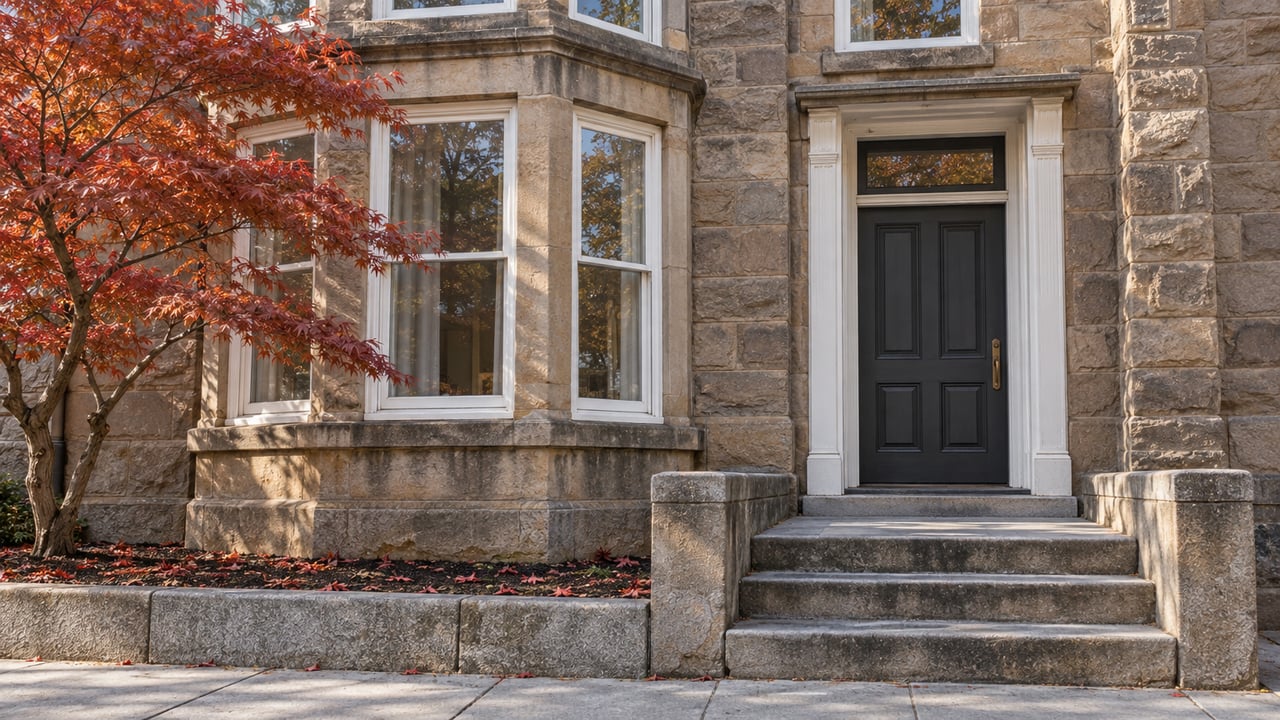
Watch Hill’s identity is closely tied to its historic character. The Watch Hill Historic District is listed on the National Register of Historic Places, which supports its long-established sense of place and architectural appeal. For many buyers and sellers, that character is part of the market’s value.
It is also important to understand what that designation does and does not mean. Rhode Island’s preservation guidance notes that National Register listing is primarily a preservation designation. Stronger exterior review controls come from local historic district zoning where it exists, and those local commissions may review exterior alterations and new construction.
If you are planning updates, a renovation, or a future repositioning of the property, this distinction matters. Historic character can be an advantage in presentation and buyer appeal, but you should also understand whether any local review process may apply before assuming a project timeline or design path.
In Watch Hill, coastal beauty and coastal risk are part of the same conversation. Westerly identifies flooding, hurricanes, and sea-level rise as local hazards, and its coastal erosion materials specifically include Watch Hill and Napatree Point. For buyers and sellers alike, that makes property-specific due diligence essential.
The town also requires elevation certificates and related coastal design certificates for qualifying work in the Special Flood Hazard Area. That means future renovation plans, additions, or major improvements may involve more than standard design and permitting steps. Knowing this early can help you avoid surprises during negotiation or pre-listing planning.
Before you buy or list, it is smart to review:
In ultra-luxury markets, buyers often expect a polished home and a polished process. Clear due diligence helps support both.
A luxury property in Watch Hill needs more than visibility. It needs the right story, the right timing, and the right level of presentation. In a market where many buyers are lifestyle-driven and often from outside the immediate area, how a home is introduced can shape the entire outcome.
That is why premium photography, video, and carefully targeted positioning matter. A buyer may first connect with a property through its setting, architecture, or seasonal lifestyle before they study the finer details. In a place where inventory is scarce and attention is selective, presentation is not decoration. It is part of pricing strategy.
For sellers, a thoughtful launch often includes:
If you are buying in Watch Hill, the headline price is only one part of the decision. In a market with limited turnover, each listing may represent a rare opportunity, but rarity should not replace discipline. You still need to understand how the property fits the market, not just how the market feels.
That means looking closely at value drivers, future flexibility, and any constraints tied to the site. A house may be compelling because of privacy, views, or historic character, but you should also know what those features mean for access, renovation, insurance, and long-term ownership. In a micro-market, details can influence value just as much as square footage.
A strong buying approach includes balancing emotion with careful review. Watch Hill can be deeply appealing, especially during peak season, but the best decisions come from combining lifestyle fit with grounded market analysis.
If you want a tailored strategy for buying, selling, or evaluating a luxury property in Watch Hill, Chanel Chung offers concierge-level guidance shaped by coastal Rhode Island expertise, precise valuation insight, and discreet, high-end marketing.
Stay up to date on the latest real estate trends.


Chanel delivers a client-first, luxury real estate experience backed by generational expertise, elite connections, and proven results. Whether buying or selling, she provides strategic guidance, global exposure, and exceptional service at every step.