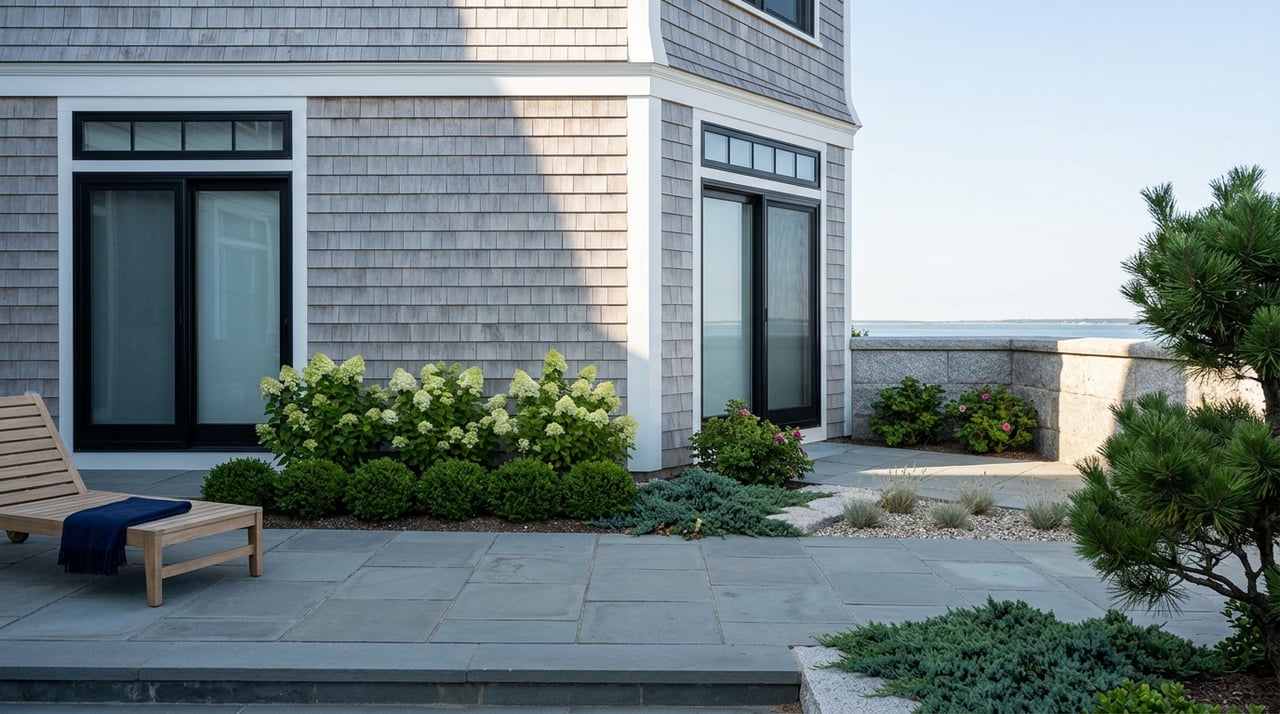
Portsmouth Waterfront Homes: Condo or House?
July 16, 2026
July 16, 2026
If you are dreaming about waking up to salt air and open water in Portsmouth, the big question usually is not whether to buy waterfront. It is whether a condo or a single-family home fits the way you actually want to live. In a coastal market shaped by boating, seasonal use, local rental rules, and real flood exposure, that choice matters more than many buyers expect. This guide will help you compare both options with Portsmouth’s local realities in mind. Let’s dive in.
Portsmouth is not a town with just a few water-facing pockets. It is an island community with more than 49 miles of coastline, multiple harbor waters, and a shoreline pattern that is largely residential. That gives you a wide range of waterfront experiences, from harbor access to beach proximity to broad water views.
Water access is also part of daily life here, not just scenery. Portsmouth oversees about 1,500 moorings, and the town-managed Sandy Point beach, along with other beach areas, adds to the appeal of owning near the shore. If boating or seasonal outdoor use is part of your plan, that context should factor into your decision.
At the same time, waterfront in Portsmouth also means exposure. The town and regional hazard planning documents highlight storm flooding, hurricanes, and sea-level-rise risks, including a 5-foot sea-level-rise scenario that could cut off Common Fence Point and Island Park from the rest of Aquidneck Island. So when you compare condos and homes, you are really comparing both lifestyle and resilience.
A waterfront condo can be a strong fit if you want a simpler ownership experience. Under Rhode Island condominium law, you own your unit and share ownership of the common elements, while the association manages budgets, maintenance, and other shared responsibilities. For many buyers, that means less hands-on exterior upkeep and a more convenient lock-and-leave lifestyle.
This can be especially appealing if you expect to use the property seasonally. If your goal is to arrive, enjoy the water, and avoid the full maintenance load of a standalone property, a condo may feel like the easier path. That convenience is often one of the biggest reasons buyers choose a waterfront condominium.
That convenience comes with tradeoffs. Condo ownership is more fee-driven and more rule-driven, since the association collects common expenses, manages reserves, and enforces rules that can affect daily use. You may have less privacy and less control over parking, exterior changes, outdoor storage, pets, or rental use.
The financial health of the association matters too. Rhode Island resale disclosures require information on monthly common expenses, reserves, planned capital expenditures, insurance, and other key details. In practice, those documents can tell you a lot about whether a condo is truly low-stress or whether future costs may be building.
A waterfront condo in Portsmouth often works best if you value ease, predictability, and shared management. It can also suit buyers who want a second home with less maintenance or a property that feels easier to step away from between visits. If that sounds like your lifestyle, a condo may be a very practical match.
A single-family waterfront home usually offers more privacy, more outdoor space, and more direct control over the property. You are not working within an association’s rules for many day-to-day decisions. That can be a major advantage if you want more flexibility in how you use the lot, manage the exterior, or shape the property over time.
For many buyers, that freedom is the point of waterfront ownership. A house may give you more room for parking, entertaining, storage, landscaping, or future improvements. If you want the property to evolve with your needs, a home often gives you a broader path.
More control also means more responsibility. Exterior maintenance, storm preparation, insurance planning, and site management fall more directly on you. In a coastal setting like Portsmouth, that can include evaluating flood exposure, access during storm events, and how shoreline rules affect future projects.
Portsmouth zoning materials also note that dimensional standards vary by zone, and the town defines an accessory dwelling unit as a secondary unit on the same lot as a primary single-family dwelling. That means a home may offer more long-term flexibility, but only within the property’s zoning and site conditions.
A waterfront home in Portsmouth often makes the most sense if you want privacy, land control, and room to adapt the property over time. It can be a strong fit for buyers who expect to stay longer, use the property more actively, or prioritize autonomy over convenience. If your vision includes shaping the property around your lifestyle, a home may align better.
In Portsmouth, the view is only part of the story. Buyers should also look closely at whether a property sits in a flood zone, coastal hazard area, or sea-level-rise exposure area. Even when the building itself seems less exposed, surrounding flooding can affect roads, evacuation routes, and access to critical services.
That is especially important in a coastal community where storm impacts can affect entire shoreline areas. Rhode Island guidance also makes clear that standard homeowner’s insurance does not cover flood losses. Flood insurance is a separate issue, and it should be part of your cost planning early in the process.
If you are considering a home or condo near the shoreline, site restrictions can shape what you can do in the future. Rhode Island coastal guidance notes that barriers, dunes, wetlands, and other shoreline features can trigger setbacks and additional permitting requirements. That can affect plans for decks, additions, seawalls, repairs, and other exterior work.
For that reason, the land and location matter almost as much as the structure itself. A beautiful property may still come with limits that affect long-term value or usability for your goals.
In Portsmouth, boating access can be a meaningful part of ownership. With about 1,500 moorings overseen by the town, practical questions around moorings, dock access, and shoreline rights are worth asking early. This is true whether you are considering a condo or a house.
Waterfront ownership can look very different depending on how the property connects to the harbor and shoreline. If your ideal day includes getting out on the water, those details are not minor. They are central.
If you plan to rent out your waterfront property for short stays, local rules matter. Portsmouth requires registration with the Town Clerk before any tenant occupies an entire residential property rented for fewer than 31 consecutive days. The registration fee is $130, and the property must pass inspections by the building official and fire marshal before it can be rented.
The town also limits occupancy to two people per bedroom and requires enough parking to support the allowed occupancy. That means rental strategy is not just about demand. It is also about compliance and whether the property physically supports your plan.
For occupancy on or after January 1, 2026, Rhode Island says short-term rentals are subject to a 2% local hotel tax. Whole-home rentals of 30 days or less are also subject to a 5% whole-home short-term rental tax plus 7% sales tax. The state also notes that these taxes are based on the date of occupancy, not the booking date.
Another major change begins July 1, 2026. Rhode Island’s new non-owner occupied property tax applies to residential properties assessed at more than $1 million that are not owner-occupied for at least 183 days in the privilege year. For seasonal waterfront buyers, that makes owner use patterns and municipal assessed value part of the ownership math.
Rental planning can be more constrained in a condo because the declaration, bylaws, and rules are part of the purchase package. Those documents may affect rentals, pets, parking, exterior changes, and use of common areas. If you want flexibility for seasonal rental use, those rules deserve close review.
A single-family home may offer more room to structure the property around your rental goals, but you still have to meet local occupancy, parking, inspection, and registration requirements. In both cases, your rental plan should be tested against local rules before you buy.
Before choosing a condo or a home in Portsmouth, ask:
If you are leaning toward a condo, ask:
If you are leaning toward a house, ask:
If you want a more managed, lower-maintenance waterfront lifestyle, a Portsmouth condo may be the better fit. If you want more privacy, more control, and more flexibility over time, a waterfront home may serve you better. Neither option is automatically better. The right choice depends on how you plan to use the property, what level of responsibility you want, and how the site aligns with local coastal realities.
In Portsmouth, the smartest waterfront decisions look beyond the view. They account for flood exposure, access, insurance, association structure, zoning, rental rules, and upcoming tax changes. When you evaluate all of those pieces together, you are much more likely to choose a property that fits both your lifestyle and your long-term goals.
If you are weighing waterfront condos versus homes in Portsmouth, personalized guidance can make the decision much clearer. Chanel Chung offers boutique, concierge-level support for coastal buyers and second-home clients who want a thoughtful, informed path to the right property.
Stay up to date on the latest real estate trends.



Chanel delivers a client-first, luxury real estate experience backed by generational expertise, elite connections, and proven results. Whether buying or selling, she provides strategic guidance, global exposure, and exceptional service at every step.