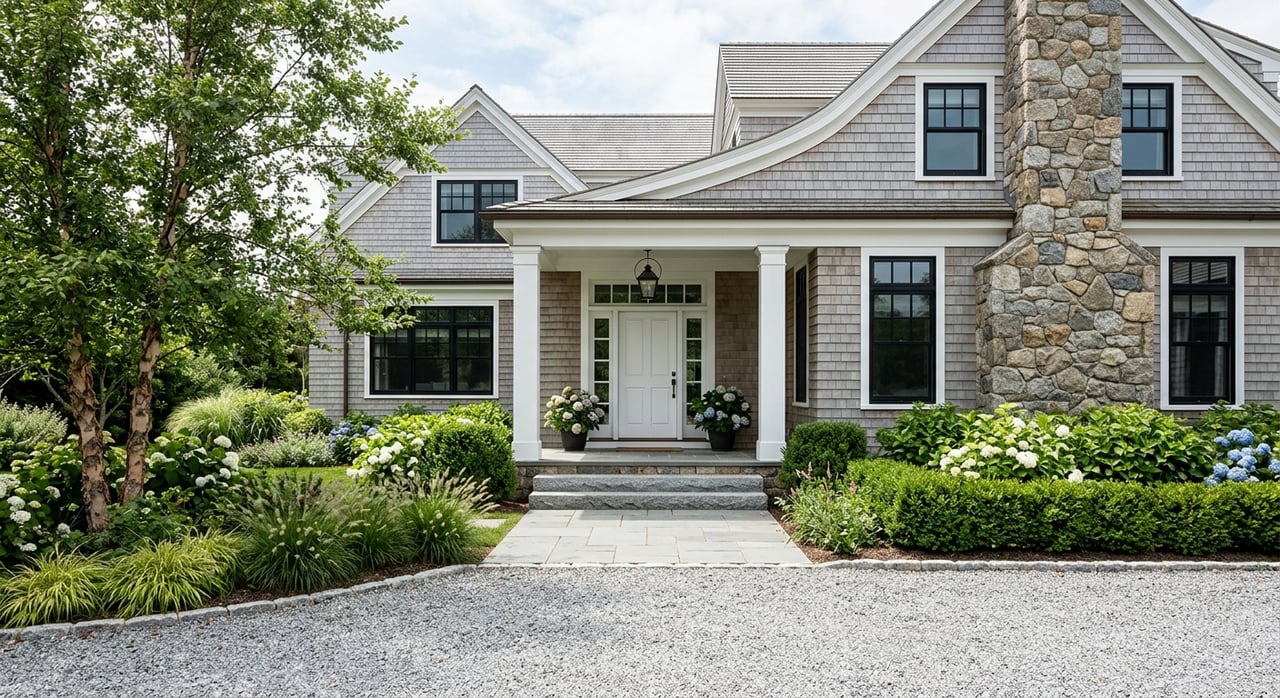
A Newton Buyer’s Guide to Rhode Island Second Homes
April 16, 2026
April 16, 2026
If you live in Newton, a Rhode Island coastal retreat may be closer and more practical than you think. In roughly the time it takes to cross Greater Boston on a busy weekend, you could be heading toward Newport, Narragansett, Jamestown, South Kingstown, or Westerly for a second-home tour. If you want a getaway that feels distinct from daily life without being hard to reach, this guide will help you narrow your options, plan smarter trips, and avoid common financing and access mistakes. Let’s dive in.
One of the biggest advantages of buying in coastal Rhode Island is simple: the drive is manageable. Rome2Rio estimates that Newport is about 1 hour 40 minutes from Newton by car, while Narragansett, Jamestown, and South Kingstown are all in a similar range. Even Westerly remains realistic for a focused weekend plan.
That proximity matters if you want to use the home often rather than just a few times each year. A second home tends to work best when it is easy enough for spontaneous weekends, seasonal stays, and shorter off-season visits. For many Newton buyers, Rhode Island offers that balance.
Rhode Island also gives you meaningful variety in a compact coastal market. According to RI State Parks, the state has more than 400 miles of coastline, but beach access often comes with seasonal schedules, parking passes, or town-specific rules. That means choosing the right town is not just about style or price point. It is also about how you want to spend your time once you arrive.
If you want the most established resort-town environment, Newport is often the first place to consider. Discover Newport highlights the city’s coastal identity, visitor infrastructure, and long history, which helps explain its enduring appeal for second-home buyers.
Newport may suit you if you want a retreat with a strong year-round rhythm. It offers a more built-out setting, a well-known sailing culture, and a polished coastal atmosphere that feels lively beyond peak summer weekends. For Newton buyers who want a retreat with history and presence, Newport is a natural starting point.
If your priority is being close to classic Rhode Island beach days, Narragansett stands out. The town’s official beach information notes that Narragansett Town Beach includes extensive parking, concessions, surfing areas, and space for a range of beach activity.
Narragansett also offers access to other well-known public beach options nearby. In practical terms, that makes it appealing if your ideal second home centers on sand, surf, and easy summer routines. For many buyers, it is the clearest choice when beach access leads the search.
South Kingstown, especially around Matunuck, can appeal to buyers who want a more relaxed South County feel. The town says the Town Beach at Matunuck includes a boardwalk, sand, a playground, picnic areas, parking, and a seasonal pavilion with showers, restrooms, and vending.
This area is worth a close look if you want a coastal home base that feels easiergoing while still offering a defined public beach setup. Because the beach season runs from Memorial Day through Labor Day, it is smart to understand how your expected use aligns with the town’s seasonal pattern.
Westerly gives you access to both Misquamicut and Watch Hill, which creates a distinct coastal option farther south. The town notes that Westerly beaches include Misquamicut State Beach, with a modern bathing pavilion and summer lifeguards, while the Westerly Town Beach page states that access is reserved for residents, taxpayers, and property owners with required seasonal stickers.
That distinction is important if beach access is central to your buying decision. Westerly may be especially appealing if you are drawn to the area’s southern location and the polished seaside identity associated with Watch Hill, where Visit Rhode Island and regional tourism sources also spotlight well-known coastal destinations.
Jamestown deserves a spot on your list for a different reason. It is a good reminder that beach access rules can be more specific than buyers expect.
Local tourism information for Mackerel Cove in Jamestown reflects the kind of local access structure buyers should review carefully, and the research shows that some Jamestown beach access is tied to resident stickers, ownership status, voter registration, or year-round lease criteria. If a home rises to the top of your list, confirm the access details early rather than assuming proximity means the same thing as eligibility.
For a Rhode Island second home, beach access is not something to figure out after closing. It should be part of your search criteria from day one.
Across several coastal towns, access can depend on seasonal operations, parking systems, or property-owner status. RI State Parks explains that the state beach system uses seasonal parking passes during the operating season, and many town beaches have their own rules as well. That can affect how convenient a property feels in real life, even if it looks ideal on paper.
As you compare properties, ask questions like these:
These details matter because your lifestyle use may be very different from someone else’s. A buyer who wants easy full-summer beach routines may weigh access differently than someone who mainly wants a quiet shoulder-season escape.
Before you schedule multiple tours, make sure your financing matches your plan. The Consumer Financial Protection Bureau says a preapproval letter is tentative, often expires within 30 to 60 days, and is frequently required by sellers.
That means a stale preapproval can slow you down right when the right property appears. The CFPB also recommends comparing multiple Loan Estimates rather than relying on preapproval alone, and notes that closing costs typically run about 2% to 5% of the purchase price, excluding your down payment.
For second-home purchases, occupancy rules are also important. Fannie Mae’s occupancy guidance states that a second home generally must be a one-unit property suitable for year-round occupancy, occupied by you for part of the year, under your exclusive control, and not treated as a rental property or timeshare. It also says the home cannot be subject to a management agreement that controls occupancy.
That rule can affect some properties more than buyers realize. If you are looking at a condo, resort-style setup, or a property with any structured rental program, verify that the arrangement does not conflict with second-home financing.
Some buyers want a retreat first. Others want a retreat that may also support seasonal income. Either approach can work, but your intended use should be clear before you start writing offers.
Fannie Mae says rental income cannot be used to qualify if the loan is being delivered as a second-home loan. The IRS guidance in Publication 936 also explains that if a second home is rented out, it must satisfy the home-use test of more than 14 days or more than 10% of the rental days, whichever is longer, to remain a qualified home for mortgage-interest deduction purposes.
You do not need to solve every tax and financing detail alone, but you do need a clear plan. If your goal is personal use with occasional rental activity, that should shape the type of property you target and the questions you ask up front.
Because the drive times from Newton are relatively close, it helps to organize your tours by region rather than chasing listings in a random order. This simple change can save hours and make your comparisons sharper.
A practical approach looks like this:
This structure follows the geography outlined in the research and helps you compare towns in a more useful way. Instead of asking whether you liked one isolated listing, you can ask which coastal area best matches the retreat you actually want.
If you want to cut down on driving, Rome2Rio’s South Kingstown route options show that rail can also play a role, including Amtrak access to Kingston and MBTA connections to Wickford Junction. For some buyers, a hybrid train-and-car weekend can make the search feel more efficient.
Remote review is helpful, but it should narrow the field rather than replace the final visit. Photos, video tours, and walkthroughs can help you rule properties in or out before a weekend trip.
Still, some of the most important second-home details are best confirmed in person. That includes beach parking, access rules, local traffic flow, and whether an HOA or management structure could affect your financing or planned use. Those are not small details. They shape how the property functions once you own it.
When a property becomes a serious contender, move carefully instead of rushing. The CFPB recommends scheduling an independent home inspection promptly and reminds buyers that an inspection is different from an appraisal. If your contract includes an inspection contingency, you may be able to cancel without penalty if major issues come to light.
A successful Rhode Island retreat search is not just about finding a beautiful property. It is about matching location, access, financing, and intended use so the home works for you over time.
From Newton, you have a realistic path to several strong coastal options within a manageable drive. Newport offers a more established resort setting, Narragansett leans beach-first, South Kingstown brings a more laid-back South County feel, Westerly offers a southern coastal base, and Jamestown is a great reminder to verify local access rules early.
If you want a polished, practical plan for buying along the Rhode Island coast, working with a local advisor can make the process far more efficient. To explore coastal Rhode Island opportunities with concierge-level guidance, connect with Chanel Chung.
Stay up to date on the latest real estate trends.


Chanel delivers a client-first, luxury real estate experience backed by generational expertise, elite connections, and proven results. Whether buying or selling, she provides strategic guidance, global exposure, and exceptional service at every step.