
How to Position Your Home for Middletown RI Seasonal Rentals
April 2, 2026
April 2, 2026
If you own a beach house in Middletown, it can be tempting to assume summer demand will do all the work for you. In reality, strong rental performance usually comes from smart positioning, clear compliance, and a guest experience that feels easy from the first click to check-out. If you want your property to stand out in a competitive coastal market, the right strategy can help you attract better-fit guests, support stronger pricing, and reduce avoidable headaches. Let’s dive in.
Middletown has a clear advantage in the seasonal rental market because of its beach access. The town highlights Sachuest (Second) Beach as a south-facing, mile-long beach with surf, sand, and amenities like bathrooms, showers, concessions, grills, picnic tables, and shade structures. That kind of convenience matters to guests who want a simple, enjoyable beach stay.
Third Beach adds another layer of appeal, especially for guests looking for calmer water. It is also important to remember that some parking areas have seasonal resident-only restrictions, which means arrival planning becomes part of your rental strategy. A home that makes beach logistics easy can feel more valuable than one that simply looks good online.
Middletown also has appeal beyond peak beach weeks. Norman Bird Sanctuary operates year-round with extensive trails and programs, and nearby Sachuest Point supports wildlife viewing, environmental education, and fishing throughout the year. Those attractions can help support shoulder-season interest when you position your property for more than just summer sun.
Before you invest in marketing, photos, or furnishings, make sure your rental plan aligns with Middletown and Rhode Island requirements. The town states that first-time short-term rental hosts must have an owner-occupied property, register with both the town and the state, and apply for a Special Use application before the Zoning Board of Review. You can review the town’s current short-term rental guidance before moving forward.
The local ordinance is especially important if you are shaping your income expectations. In residential zoning districts, short-term rentals are permitted only by special use permit, the owner must reside on the property during the rental, no more than six short-term renters are allowed during any rental period, and only one building on a lot may be used as a short-term rental under the ordinance language. Those rules make Middletown very different from markets where an entire investment property can operate more freely.
At the state level, Rhode Island also requires registration for any property offered for 30 nights or less on a third-party hosting platform. The Department of Business Regulation FAQ makes clear that state registration is separate from any local requirement. In other words, local compliance does not replace state compliance.
It helps to go in with realistic expectations. A February 2025 Rhode Island Department of Housing presentation estimated Middletown short-term rentals at 6.23% of housing stock, compared with 1.04% statewide, which points to a much higher concentration of short-term rentals than in most Rhode Island communities. That means you are not just competing with hotels, but also with a meaningful number of other rental options.
The broader lodging mix matters too. A 2024 Discover Newport article cited in the state housing presentation noted that short-term rentals make up about 15% of the local lodging marketplace, with strong activity tied to weddings, events, cruises, motor coaches, and international visitors. For you, that means seasonal success often depends on better positioning, not simply being available.
A Middletown beach house should feel polished, bright, and easy to use. Airbnb’s photo guidance recommends showing the inside, outside, and surrounding area, using daylight, and highlighting unique amenities. Vrbo also emphasizes high-quality, landscape-oriented images and rejects blurry or watermarked photos.
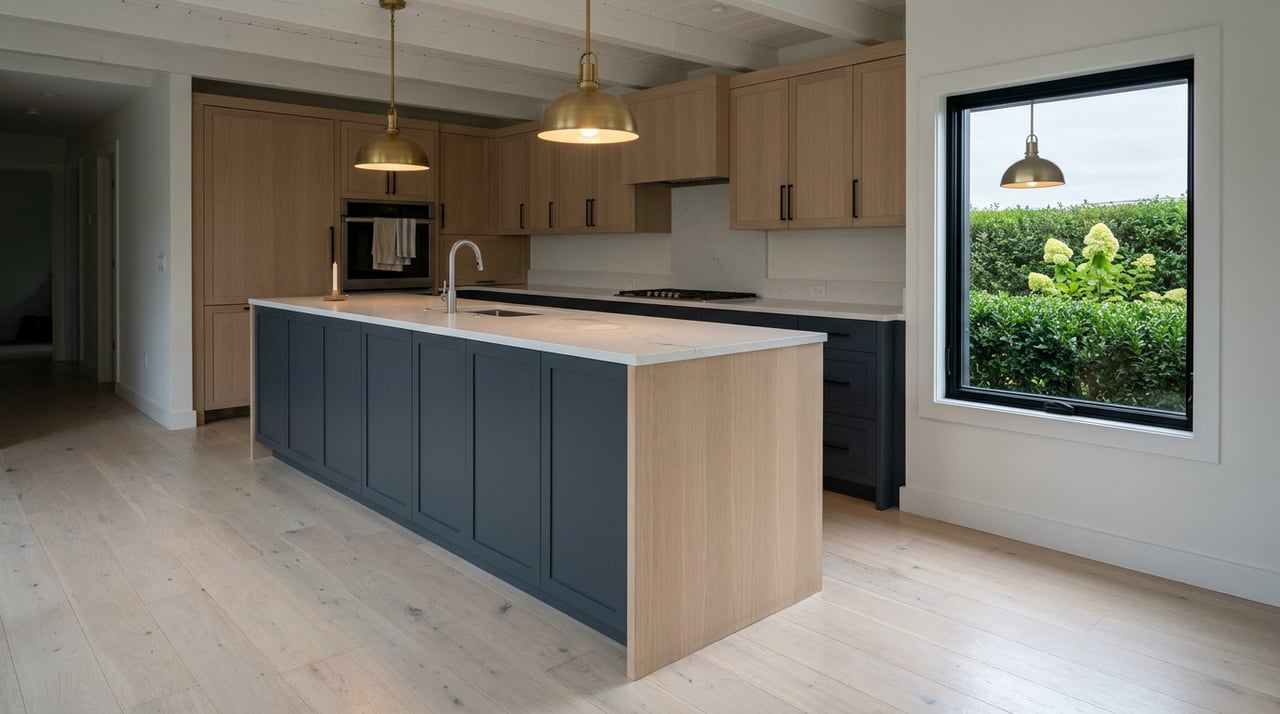
That guidance supports a simple truth: your house should present more like a boutique coastal stay than a personal storage space. Clean sightlines, strong lighting, uncluttered surfaces, and a consistent design palette help the property read well in photos and feel more premium to potential guests. In a coastal market, presentation often shapes pricing power.
For Middletown specifically, practical amenities can matter more than decorative extras. Consider prioritizing:
Because beach access is the main draw, guests notice convenience. The more clearly you solve beach-day logistics, the more attractive your listing becomes.
Photos are still the core sales tool for a seasonal rental listing. According to Airbnb, high-quality images are one of the biggest factors in booking decisions, and a strong cover photo can improve engagement and search visibility. That means your first image should quickly communicate what is special about the property, whether that is a light-filled living room, inviting outdoor lounge area, or a clean coastal exterior.
Video can add value too, especially when layout and outdoor flow are part of the home’s appeal. Vrbo notes that virtual tours are no longer supported, but hosts can upload video to help showcase the property. A short walkthrough or exterior clip can help guests understand how the home lives, not just how it photographs.
In Middletown, seasonality is clear enough to guide your pricing structure. The town’s beach season runs from Memorial Day weekend through Labor Day weekend, which makes summer the natural peak pricing window. If you price summer too low, you may fill dates quickly but leave revenue on the table.
Shoulder season deserves its own strategy rather than a steep discount. Fall activity in the Newport area continues to benefit from events and tourism, while year-round destinations like Norman Bird Sanctuary and Sachuest Point help support quieter getaway demand. A well-positioned property can still attract guests after the busiest beach weeks end.
Winter is a different product. Demand is likely to come more from off-peak leisure, nature-focused trips, and travelers seeking a quieter coastal experience. That means your marketing should shift from beach access alone to comfort, setting, and ease.
If you are thinking ahead to future rental income, taxes need to be part of the conversation. The Rhode Island Division of Taxation states that effective January 1, 2026, the local hotel tax increased to 2%, a new 5% whole-home short-term rental tax applies to residential dwellings rented in their entirety, and the tax stack also includes a 7% sales tax. You can review the current hotel and short-term rental tax guidance when building your pricing assumptions.
This matters because gross nightly rate and net owner revenue are not the same thing. If you are projecting income for your Middletown property, build in taxes early so your expectations stay grounded. Clear pricing also helps reduce guest confusion during the booking process.
Middletown’s rules naturally shape the kind of rental that makes the most sense. With owner-occupancy requirements, a six-guest cap, and limits on use within residential districts, the best-positioned properties are usually tailored to families, couples, and smaller groups. This is not a market where a large event-rental mindset is the best fit.
That should influence how you furnish, market, and schedule the home. A calm, hospitality-driven setup with thoughtful amenities and smooth communication is more aligned with the town’s framework than a high-volume, high-turnover approach. In many cases, fewer but better-fit bookings can be the smarter path.
Management is not just an operational choice. It is also a lifestyle choice. Rhode Island’s registration rules make clear that legal responsibility stays with the owner or lessee, even if outside help is involved, according to the DBR short-term rental FAQs.
A more hands-on owner may be comfortable managing guest messaging, turnover coordination, and calendar control if the property is used personally and rented only part-time. Others may prefer support with pricing, scheduling, listing presentation, and local troubleshooting. The right approach depends on your availability, your comfort with compliance, and how often you plan to use the home yourself.
Seasonal rental success in Middletown is rarely about filling every possible night. It is about aligning the property with the town’s rules, presenting it beautifully, pricing it thoughtfully, and making the stay feel easy and polished for the right guest. When you do that well, your beach house can support both enjoyment and stronger year-round value.
If you are weighing whether to sell, hold, or position your home for curated seasonal income, Chanel Chung can help you think through pricing, presentation, and the best strategy for your coastal property.
Stay up to date on the latest real estate trends.


Chanel delivers a client-first, luxury real estate experience backed by generational expertise, elite connections, and proven results. Whether buying or selling, she provides strategic guidance, global exposure, and exceptional service at every step.