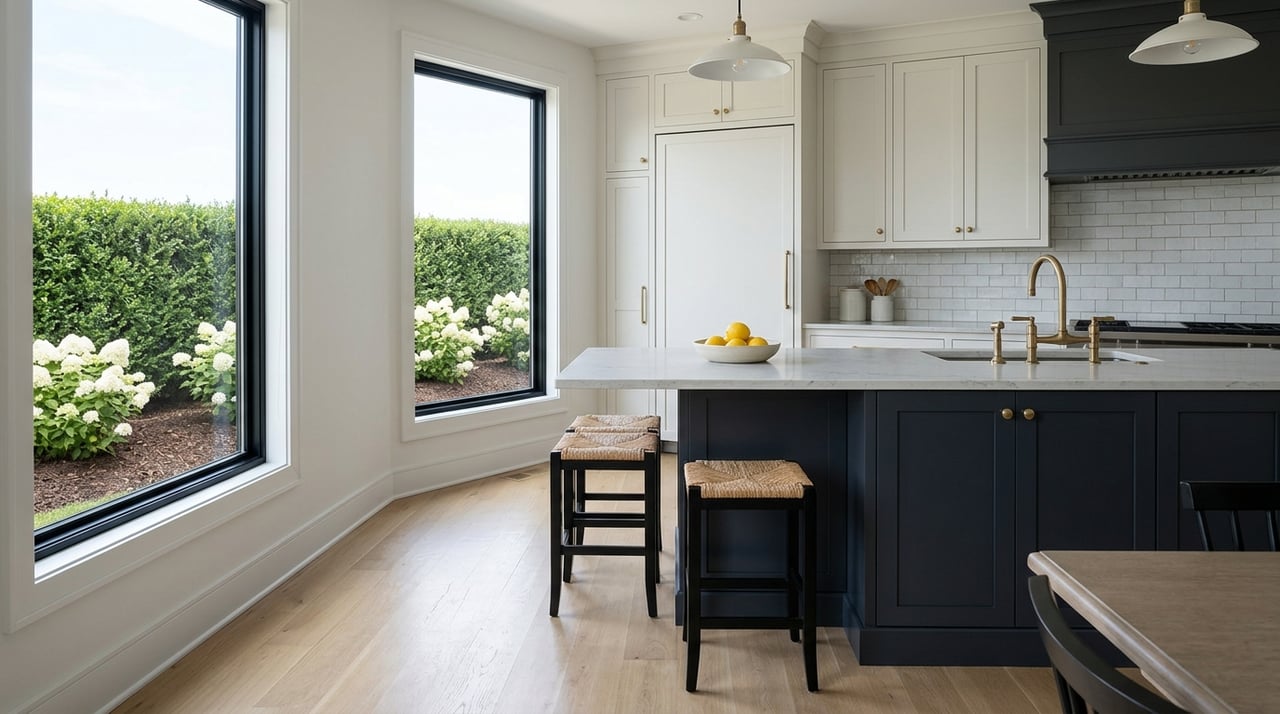
Westerly Seasonal Rental Investment Guide
June 18, 2026
June 18, 2026
Thinking about buying a seasonal rental in Westerly? You are looking at one of coastal Rhode Island’s most active vacation-home markets, but success here depends on more than finding a house near the water. You need to understand where demand is strongest, how local rules work, and whether the property fits your own plans for income and personal use. If you want a clearer way to evaluate the opportunity, this guide will walk you through the key factors. Let’s dive in.
Westerly is not just a town with a few summer rentals on the side. According to the Town of Westerly’s 2024 housing study, 17% of local housing is dedicated to vacation homes and other seasonal housing, compared with 4% statewide. The same study also found that vacation homes in Westerly grew 13% over the past decade.
That scale matters if you are investing. It tells you seasonal rentals are a meaningful part of the local housing and lodging economy, not a niche trend. In early 2024, the town study counted 286 active short-term rentals, with average annual revenue of about $86,800, an average daily rate of $458, and occupancy of 47.3%.
The town also reported that short-term rentals supplied nearly one-third of overnight visitor lodging units in Westerly in 2023. That is a strong sign that visitors already rely on this housing type. For you as a buyer, it means the market has established demand, but it also means competition and property selection matter.
In Westerly, location does a lot of the heavy lifting. The 2024 town study shows a 2023 townwide median home price of $500,000, but coastal properties were estimated at $1,012,500. Watch Hill and Weekapaug were much higher, at $2,167,751 and $2,350,000 respectively.
Other coastal areas, including Misquamicut, Shelter Harbor, and the Yacht Club area, also sat well above the townwide median. That pricing gap reflects a simple truth. Homes closer to the shoreline, beach access points, and village amenities tend to carry the strongest seasonal-rental appeal.
If you are underwriting a purchase, it helps to think in micro-markets rather than in broad townwide averages. An inland property may have a lower entry price, but a coastal property may align more directly with what seasonal guests are already seeking. In many cases, your investment thesis is tied to convenience, walkability to local amenities, and the beach-centered experience.
Single-family homes and cottages are the clearest fit for Westerly’s seasonal market. The town study shows steady single-family sales over much of the last decade, while condos have also remained active and condo median prices rose above $400,000 in 2023. That gives buyers more than one path into the market, depending on budget and goals.
What matters most is not just the property category. It is how well the home functions as a beach base. Official tourism listings for Watch Hill rentals highlight amenities like water views, parking, air conditioning, full kitchens, private baths, and close access to beaches, docks, shops, restaurants, and the carousel.
That tells you something important about guest behavior. Renters are often paying for ease and experience, not only square footage. A smaller home with strong outdoor space, parking, and easy access to the shoreline may outperform a larger home that feels less connected to the places guests come to enjoy.
Westerly’s rental demand is closely tied to the summer season. The town describes Misquamicut State Beach as one of New England’s most popular beaches, with lifeguards on duty during the sunny summer season. Watch Hill Beach is also closely connected to seasonal beach operations, with parking passes and daily passes beginning on Memorial Day weekend.
For investors, that seasonality shapes pricing, booking patterns, and owner expectations. This is generally not a market driven by broad year-round business travel. Instead, demand tends to rise with the beach calendar and the summer visitor cycle.
That means your peak earning window may be concentrated. It also means your property has to shine when demand is highest. A smart purchase in Westerly is often one that can capture prime summer weeks while still making sense during shoulder periods and quieter months.
Before you buy, make sure you understand Westerly’s local short-term rental framework. In residential zones, the town’s short-term rental registration applies to occupancy offered by anyone other than the owner for fewer than 28 consecutive calendar days. The town requires annual registration for each property.
Westerly also points owners to local ordinances covering littering, noise, off-street parking, peace and good order, and solid waste. In other words, operating a seasonal rental here is not only about bookings and nightly rates. It is also about whether the property can function smoothly under local operating rules.
This is especially important when you are comparing homes with different layouts or site constraints. A house with limited parking or a setup that makes turnover and waste handling harder may be less attractive from an operating standpoint. Compliance should be part of your purchase analysis from day one.
Rhode Island uses a different day-count threshold than the Town of Westerly, so do not assume one rule covers everything. Effective January 1, 2026, a room rental of 30 days or less is subject to 7% sales tax, 5% statewide hotel tax, and 2% local hotel tax. An entire residential dwelling rented for 30 days or less is subject to 7% sales tax, a 5% whole-home short-term rental tax, and 2% local hotel tax.
Rentals longer than 30 days with no break in occupancy are not subject to those taxes. Since the town registration rule uses fewer than 28 consecutive calendar days and the state tax rules use 30 days or less, classification can affect how you plan bookings and forecast net income.
Owner use also matters. Rhode Island’s non-owner-occupied property tax applies when a residential property is not your primary residence and is not occupied by you for 183 days or more of the privilege year. The Division of Taxation also notes that short-term rentals rented for 183 days or more can be exempt, while seasonal properties rented only part of the summer may still be taxable if they do not meet that threshold.
One of the biggest questions in Westerly is how much personal use you want. The town study found that 58.7% of short-term rentals are year-round, while 41.3% are seasonal or off market for part of the year. That suggests many owners are intentionally balancing rental income with privacy, flexibility, or family use.
This is where many buyers need a more realistic plan. A home may look strong on paper as a peak-season rental, but your actual return changes if you reserve the best summer weeks for yourself. In Westerly, that tradeoff is common, so the right purchase is often the one that still works financially even when you block out meaningful owner time.
A practical way to think about it is this: do not ask only whether the property can rent. Ask whether it can support your goals if you want both personal enjoyment and seasonal income. That balance is often the real investment decision in coastal Rhode Island.
Westerly has a large share of older housing. The town study notes that one-quarter of the housing stock was built before 1940, and older homes require intentional, consistent maintenance. If you are looking at cottages or classic coastal homes, that can have a direct effect on operating costs.
Maintenance is not a side issue in a seasonal rental. It affects guest experience, review quality, and how reliably you can keep a property market-ready during the busiest weeks of the year. Even a well-located home needs enough capital planning to support the wear that comes with beach use and seasonal turnover.
For that reason, due diligence should go beyond surface appeal. The right property is not simply charming or well placed. It also needs a realistic maintenance plan that supports both your guest standards and your long-term ownership goals.
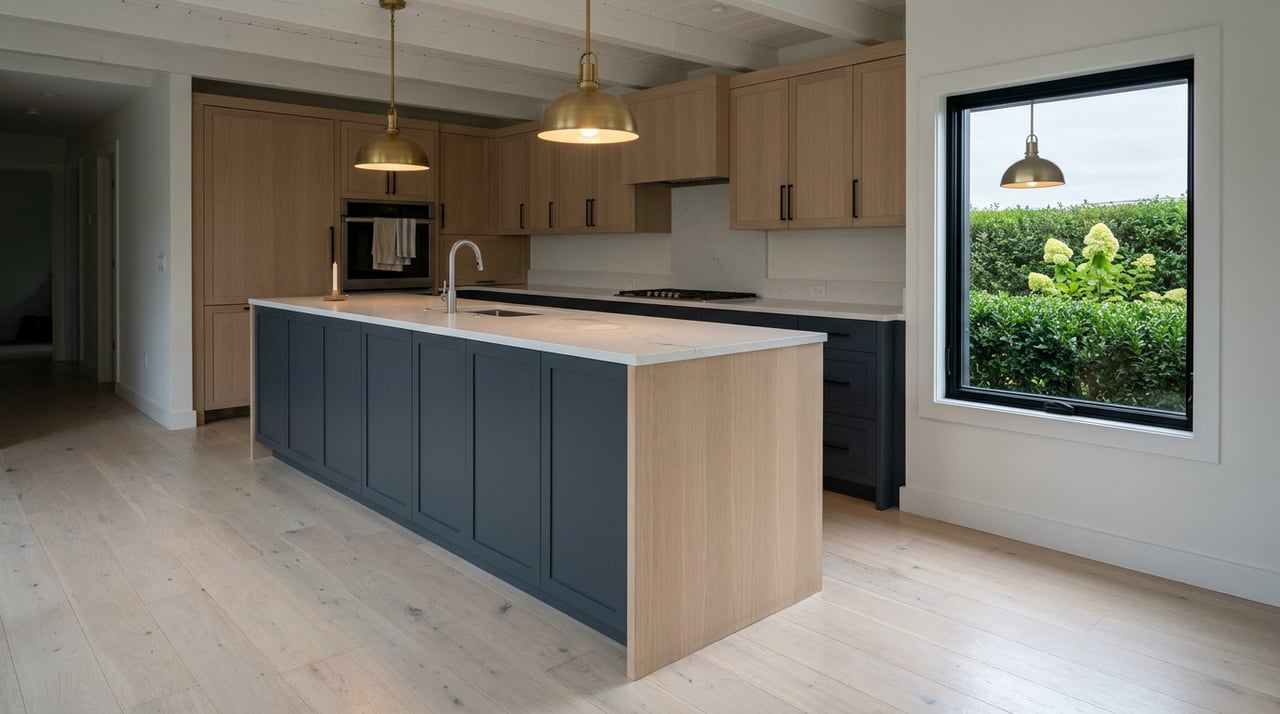
In Westerly, presentation is part of the investment strategy. Airbnb and Vrbo both emphasize the importance of high-quality photos, clear amenity details, and strong guest expectations. Clean, well-lit images and a clear visual tour help guests understand the layout and feel more confident booking.
That guidance fits Westerly especially well because many bookings are tied to the vacation experience. Photos that show water views, outdoor living areas, parking, beach access, and proximity to Watch Hill Village or Misquamicut often tell a more effective story than generic interior shots alone.
For luxury and upper-tier seasonal rentals, premium presentation can be a major differentiator. This is where polished marketing, professional photography, and thoughtful positioning can help a property stand out during the narrow window when summer demand is strongest.
If you are considering a seasonal rental around Westerly, keep your decision framework simple and disciplined. Focus on the factors that drive both guest demand and long-term ownership success.
Here are a few questions to ask before you move forward:
In a market like Westerly, the best investment is rarely the cheapest or the biggest. It is the one that fits the location, the season, the operating rules, and your personal goals with the least friction.
If you are weighing a purchase in Watch Hill, Misquamicut, Weekapaug, or another Westerly coastal pocket, a local strategy can make all the difference. Chanel Chung offers concierge-level guidance for coastal sales and curated seasonal rentals, with the market insight and presentation strategy to help you evaluate opportunities with confidence.
Stay up to date on the latest real estate trends.



Chanel delivers a client-first, luxury real estate experience backed by generational expertise, elite connections, and proven results. Whether buying or selling, she provides strategic guidance, global exposure, and exceptional service at every step.